Acadia Made Invisible: How CTV News Atlantic Turns a Founding People into a Nightly Museum Piece
CTV News Atlantic erases living French Acadian culture, turning a founding people into heritage props while claiming communication is everything.

French Acadians Shut Out of the Frame: How CTV News Atlantic Turns a Living Culture into a Museum Piece
 Claude Theriault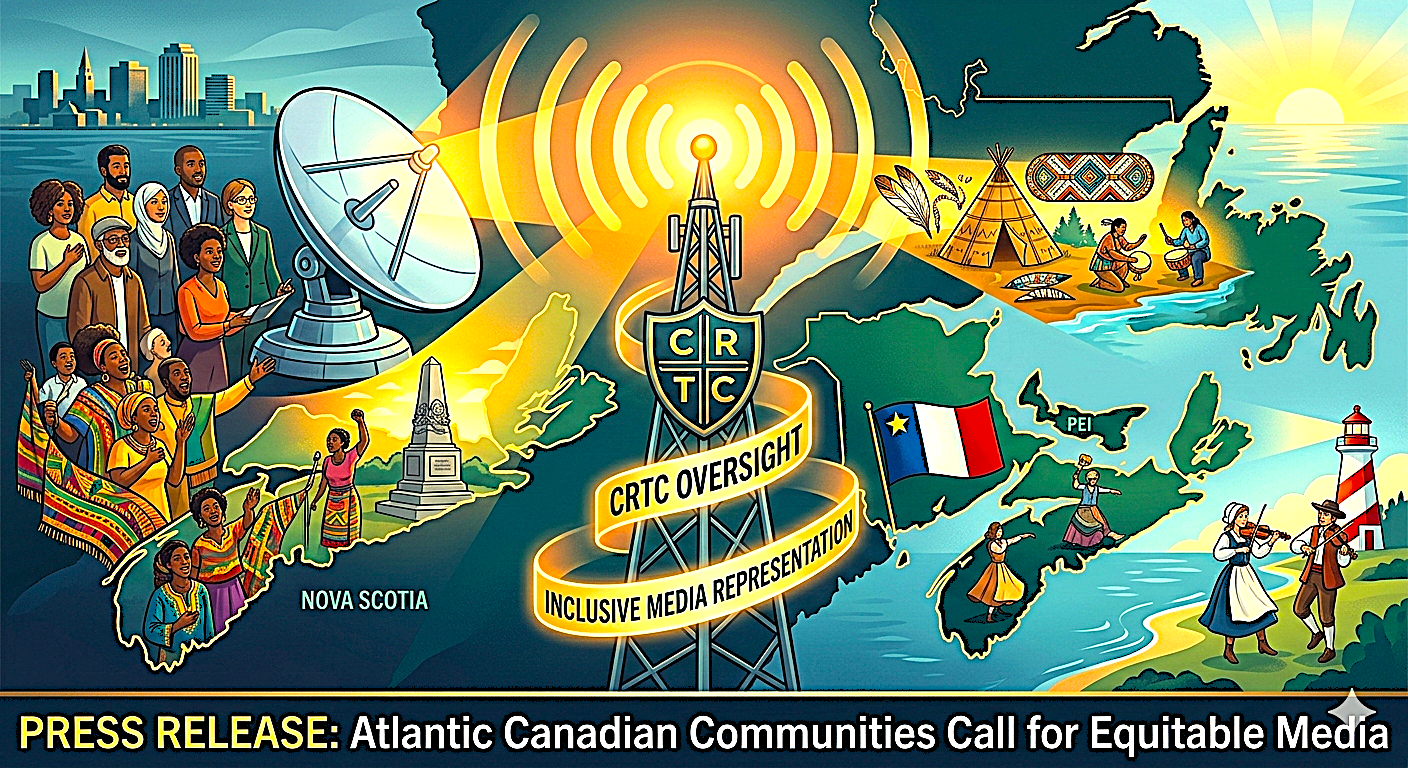
French Acadian communities across Atlantic Canada are calling out CTV News Atlantic for a pattern of systemic francophobic exclusion that treats Acadian culture as a historic curiosity rather than a living, contemporary reality. Night after night, viewers see and hear women. The men, Black Nova Scotians, Mi’kmaq leaders, and immigrant communities are speaking in their own voices—yet Acadians are almost absent unless it is August 15 or an “Acadian heritage” segment.
 Claude Edwin Theriault
Nightly visibility for everyone—except Acadians
Turn on CTV News Atlantic any evening, and the pattern is unmistakable. The broadcast highlights diverse faces and perspectives: women experts, Black community leaders, Mi’kmaq spokespeople, and representatives from virtually every ethnic minority that has immigrated to Atlantic Canada. This representation is important and long overdue—but it stops abruptly at the Acadian border.
- Black Nova Scotians are invited to discuss justice, culture, and community issues on air.
- Mi’kmaq communities appear to speak about land rights, reconciliation, and Indigenous initiatives.
- Immigrant communities are showcased as proof of a modern, inclusive Atlantic region.
Yet French Acadians—the founding people of this territory since 1604—only appear as static heritage symbols when the calendar demands a chic backdrop. Contemporary Acadian artists, entrepreneurs, activists, and thinkers are rarely seen or heard in prime-time segments about the economy, politics, education, or culture. [youtube]modern contemporary artwork trends
This is not a simple oversight; it is editorial design. As one detailed critique notes, CTV Atlantic’s pattern functions as a “nightly ritual of Acadian erasure,” where the absence becomes normalized, and viewers are trained to expect an Atlantic Canada without visible Acadian participation. [moderncontemporaryartworktrends]
Media Inclusion Now, instead of being sent to a historic museum display: Newstrail Press Release
When Acadians do appear on CTV News Atlantic, it is almost always in the context of heritage—traditional costumes, historic reenactments, or National Acadian Day ceremonies. The culture is framed like an artifact in a display case, preserved in amber as a quaint, folkloric past rather than a vibrant, evolving present.
Analyses of this coverage show that:
- Modern Acadian artistic work—digital art, contemporary music, literature, and social commentary—is almost completely ignored, even when it gains international traction.
- Events that brand themselves as “Atlantic cultural celebrations” routinely exclude contemporary Acadian creators, then present the stage line-up as representative of the region.
- Institutional responses, including correspondence from CTV News Atlantic leadership, treat Acadian complaints as resolved by citing a small number of token items: a few stories tied to Congrès Mondial Acadien, Acadian Heritage Month, and National Acadian Day.
This pattern reduces Acadian identity to a museum piece, as if the culture were something to be remembered rather than something that exists fully in the present. It suggests that Acadians belong to history, not to the nightly news cycle, not to boardrooms, not to contemporary political debates, and not to the creative vanguard of Atlantic Canada. Newsworthy modern contemporary artwork trends.
 Claude Edwin Theriault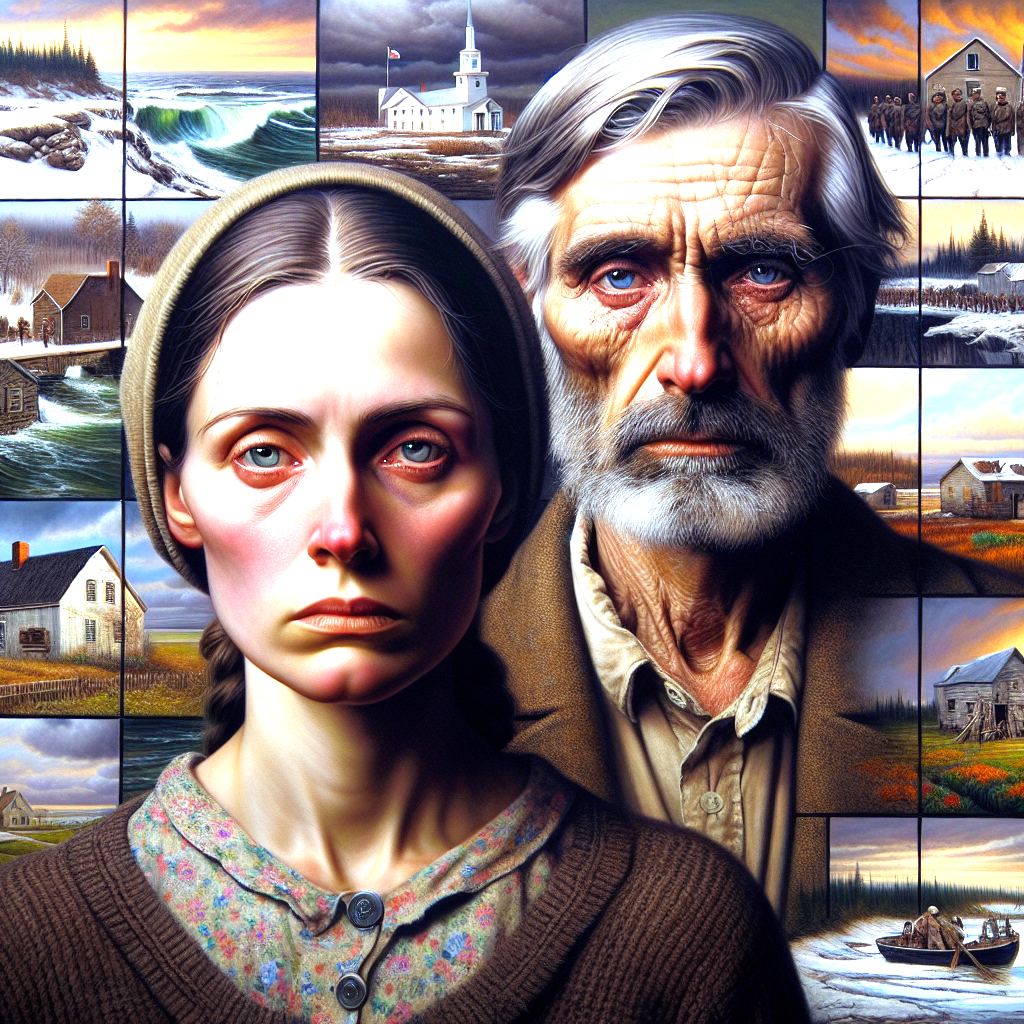
Institutional self-righteousness and systemic francophobia
The exclusion is compounded by the tone of institutional responses. In a letter forwarded via the Canadian Broadcast Standards Council (CBSC), CTV Atlantic’s news director “respectfully disagrees” with the charge of francophobic exclusion and points to “more than seven” stories about Acadians in 2025 as proof of “appropriate coverage.” For those living the consequences of this erasure, such replies read less like accountability and more like self-righteous self‑acquittal.
Commentary and investigative essays on this issue describe a deeper pattern:
- A Halifax-centric editorial culture that views Acadian content as “specialty” material suitable for specific dates or heritage features, not for regular integration into news and analysis. modern contemporary artwork trends
- An internal logic in which compliance with codes, guidelines, and CBSC membership is used as a shield against criticism, as though regulatory adherence were proof of fairness.
- A persistent view of Acadians as “those people down in the Tri-County” whose culture is acceptable only when served on an English-language plate, sanitized and translated for an Anglophone audience. [moderncontemporaryartworktrends]
Writers and artists documenting this exclusion explicitly name it as systemic francophobia—a structure of decisions and priorities that sidelines French‑language realities and contemporary Acadian voices while loudly celebrating diversity elsewhere. It is quiet, bureaucratic discrimination: no slurs, but a thousand editorial choices that keep Acadians off-screen, off-mic, and off the record except when it is time to showcase heritage. modern contemporary artwork trends.
Calling for a modern Acadian presence in Atlantic media for a change
The core demand emerging from Acadian artists, cultural workers, and community advocates is simple: stop treating Acadian culture like an archeological exhibit and start representing it as a modern, evolving force in Atlantic life. That means modern contemporary artwork trends.
- Featuring contemporary Acadian artists, entrepreneurs, academics, and activists in nightly news segments and panel discussions—not only during Acadian-themed events.
- Covering Acadian perspectives on core issues like housing, climate, language rights, education, and economic development as part of regular reporting.
- Recognizing that the absence of Acadian representation in a supposedly regional newscast is itself a newsworthy inequity, not a minor programming detail.
 Claude Theriault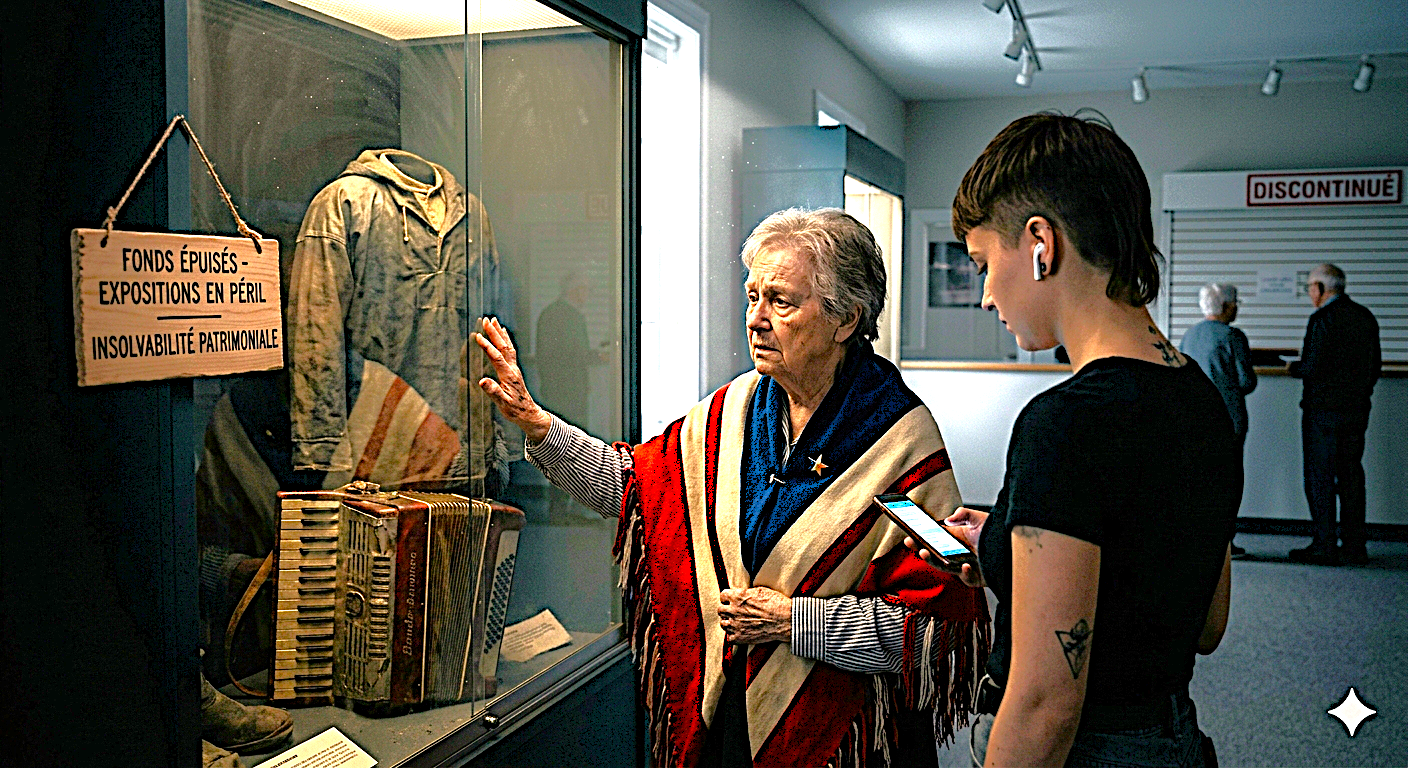
Halifax-centric media
Long-form critiques highlight that when young Acadians never see themselves reflected—never hear their language, never see their contemporary artists or thinkers on screen—the media environment actively pushes them toward assimilation. The message is implicit but powerful: your culture does not matter; it does not even exist in the public sphere.
In this context, Bell Media’s corporate slogan, “communication is everything,” reads less like a commitment and more like an indictment. Communication cannot be “everything” when the founding people are largely missing from the story you tell about the region, except when costumed for heritage. It cannot be “everything” when those who raise alarms about erasure are met with defensive letters and token statistics instead of structural change. modern contemporary artwork trends
Until CTV News Atlantic rethinks its editorial assumptions and gives contemporary Acadian culture real, everyday visibility, the gap between branding and reality will remain vast. In a truly inclusive Atlantic media landscape, Acadians would not appear as ghosts of the past; they would stand alongside every other community whose faces and voices already fill the nightly news.
 Claude Theriault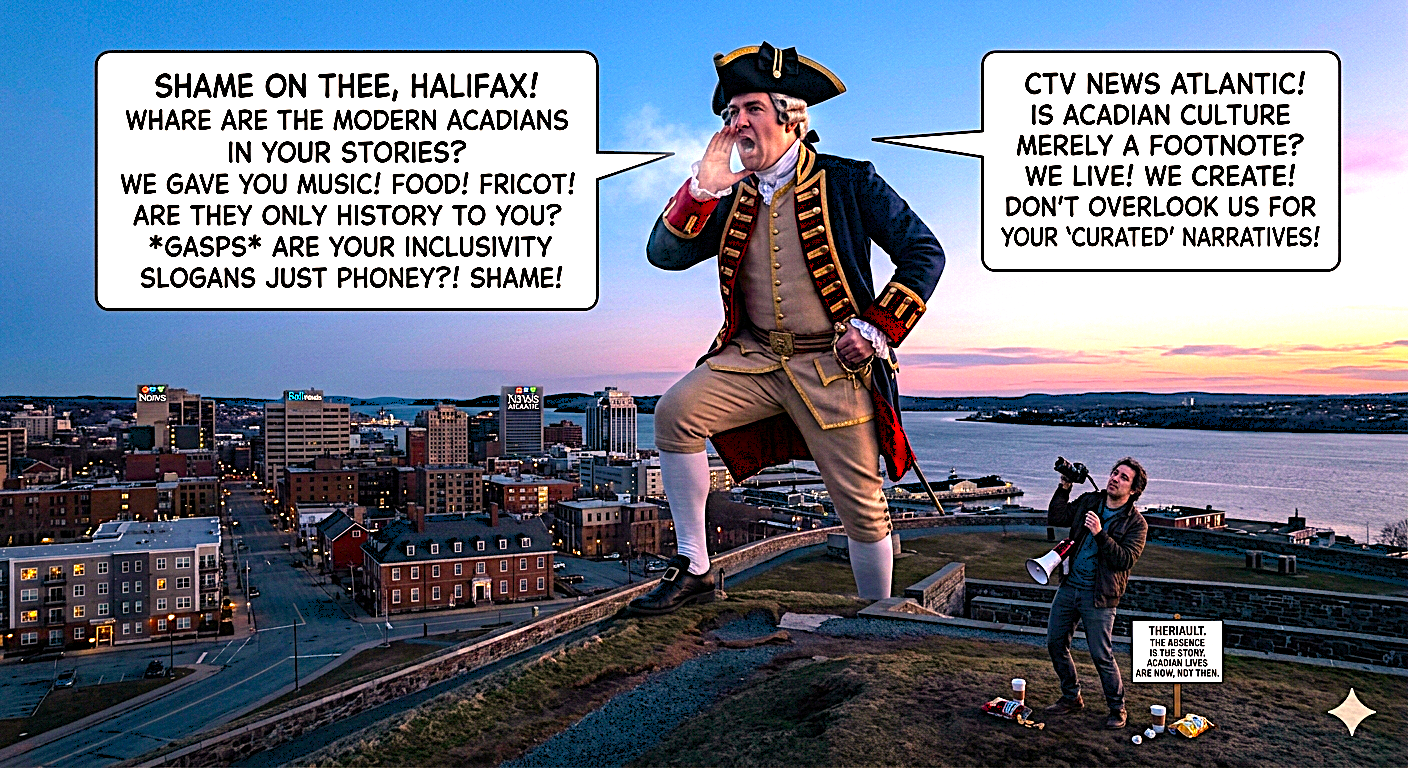
FAQs on CTV News Atlantic’s Acadian Exclusion
1. What is meant by “nightly ritual of Acadian erasure"? ”?
The phrase describes the repeated pattern where CTV News Atlantic showcases a wide range of communities—women, Black Nova Scotians, Mi’kmaq, and immigrants—while modern Acadian voices are almost absent from nightly coverage. Over time, this recurring omission normalizes an Atlantic identity that appears inclusive yet quietly excludes a founding culture from the visible public narrative.
2. How does this differ from the representation of other communities?
Analyses note that CTV has made visible efforts to include Black, Indigenous, and various immigrant perspectives, often giving them space to speak in their own voices about current issues. Acadians, however, largely appear only in heritage contexts—National Acadian Day, historic festivals, or museum-style segments—rather than as contemporary actors in politics, economics, or arts, which reveals a specific francophobic bias in editorial decisions. modern contemporary artwork trends
3. Isn’t some coverage of Acadian events proof that there is no exclusion?
Token coverage is not the same as structural inclusion. The station’s own response to complaints cites a small number of Acadian-related stories in a year as proof of “appropriate coverage,” but these items are mostly tied to symbolic dates and historic events. Systemic exclusion is about how rarely Acadians appear in everyday reporting compared with their historic and demographic importance, and about how they are framed when they do appear.
4. Why is this described as systemic Francophobia rather than just oversight?
The term “systemic francophobia” reflects the way editorial norms, language priorities, and institutional attitudes consistently marginalize French-speaking Acadians while celebrating other forms of diversity. Critics point to years of patterns, repeated exclusion from large “regional” cultural platforms, and defensive institutional responses as evidence that this is a built-in bias, not a one-time mistake.
5. What would genuine modern inclusion of Acadian culture look like on CTV News Atlantic?
Real inclusion would mean seeing Acadian guests, experts, artists, and community leaders on air throughout the year discussing current issues, not only heritage. It would include French-speaking segments or bilingual interviews where appropriate, coverage of contemporary Acadian arts and innovation, and editorial practices that treat Acadian culture as a living, central part of Atlantic society rather than a historic museum piece trotted out on command.