The Hard Reset: Nativistic Revivalism and the Cajun Dead Project
Explore nativistic revivalism as Cajun Dead et le Talkin’ Stick reconnects 1925 Appalachian roots, Acadian traditions, and modern music in 2026!

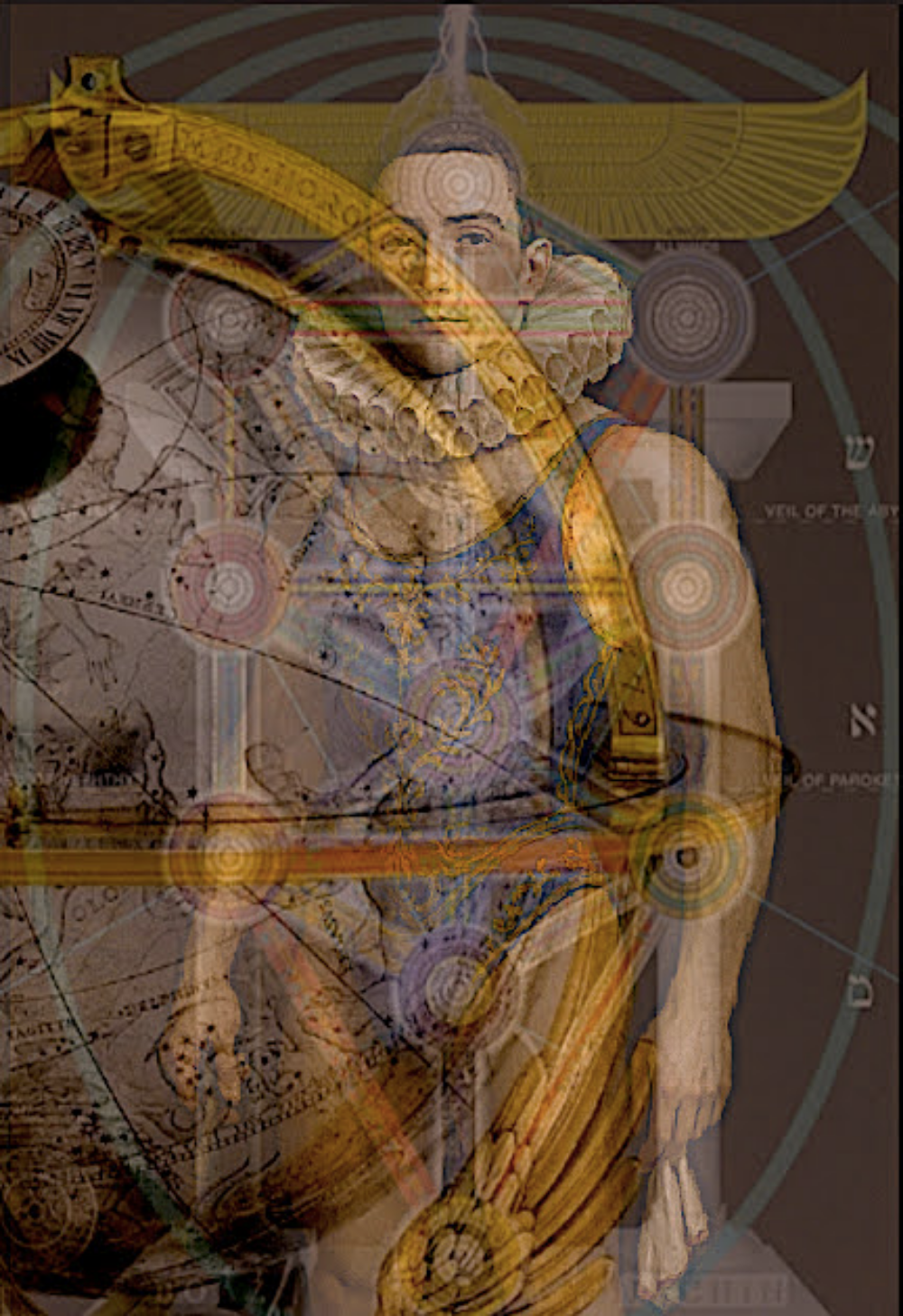
In an era of algorithmically curated playlists and AI-generated perfection, a raw, grounded movement is rising from the floorboards of history. It is called nativistic revivalism, and it is more than a trend—it is a cultural “hard reset.” At the forefront are projects like Cajun Dead et le Talkin’ Stick, which bypass a century of commercial polish to return to the “Original Source Code” of 1925 Appalachia, rebooting a music culture that has long been running on fumes. [youtube][moderncontemporaryartworktrends][moderncontemporaryartworktrends][youtube]
The Great Reset: Understanding Nativistic Revivalism
Nativistic revivalism occurs when a generation senses that its current cultural output has become untethered from reality. It is a radical movement to “return to the source” to reclaim the identity, grit, and emotional honesty of an earlier era. When Cajun Dead dives into 1925—a landmark year for American field recordings and the “Big Bang” of country, blues, and folk—they are not looking for a costume. They are seeking the raw frequency of a people facing massive social change. Just as the birth of the Blues provided a voice for the displaced, this modern revival uses 100-year-old “source code” to reflect the anxieties and hopes of people living through the upheavals of the 2020s. [moderncontemporaryartworktrends][moderncontemporaryartworktrends][bestbuy][bluegrasstoday][gardenandgun][exploreasheville]
Reclaiming the Source Code: From 1925 to Now
The year 1925 represents the last moment before music was fully homogenized by the national radio industry. It was a time of “unpolished truth.” The Le Talkin’ Stick project utilizes this era as a foundation, blending traditional Acadian (Cajun) complaintes and a cappella ballads with the improvisational freedom inspired by the Grateful Dead. This “Original Source Code” return to Appalachia is essential because it captures a voice that resonates with the common person. In 1925, music was a survival tool—a way to process grief, celebrate community, and resist erasure. By “upcycling” these sounds, modern artists are providing a reboot for a culture that has become too “plastic,” offering something handmade, durable, and honest. [youtube][moderncontemporaryartworktrends][moderncontemporaryartworktrends][youtube][smokymountainnews][wlos][youtube][news.etsu]
The Cajun Dead Project: A Cultural Reboot
The Cajun Dead et le Talkin’ Stick project is more than a band; it is a sonic bridge. It connects the “Kitchen Parties” of the Maritimes and the “House Dances” of the Louisiana prairies with the psychedelic, communal spirit of the Grateful Dead. This project is intentionally “rebooting” a stagnant music scene by breaking the “Good Times” narrative, moving beyond the cliché of happy accordion music to explore the shadows and complexities of modern life. It emphasizes lyricism, using the song lyric project to address universal themes like empathy, conflict, and the “cyclical nature of pain.” Through cultural syncretism, it merges the rigid structures of 1920s folk with the fluid “Deadhead” philosophy of the 1960s to create a relevant voice for 2026. [youtube][moderncontemporaryartworktrends][youtube][moderncontemporaryartworktrends][youtube][lyrics]
Why the Appalachian Voice Still Resonates
Why go back to the mountains? The Appalachian voice is the ultimate “survivalist” frequency. It was born from the collision of Scots-Irish fiddling, African rhythms, and German instrumentalism. It is the sound of people holding onto their humanity in the face of isolation and poverty. In times of rapid technological change, this “Root” music acts as an anchor. It reminds us that while our tools change, our stories remain the same. The nativistic revivalism seen in Cajun Dead proves that the most “innovative” thing an artist can do today is to stop moving forward for a moment and start digging deeper. [moderncontemporaryartworktrends][moderncontemporaryartworktrends][gardenandgun][exploreasheville][wlos][news.etsu]
Frequently Asked Questions (FAQs)
1. What is nativistic revivalism in music?
It is a movement where artists return to the traditional roots of their ancestors to create new, socially relevant music that counters the “hollow” nature of mainstream pop. [moderncontemporaryartworktrends][moderncontemporaryartworktrends]
2. Why is the year 1925 significant to these projects?
1925 is often considered the “Big Bang” of recorded American folk and roots music, capturing the “source code” of regional styles before they were commercialized. [bestbuy][bluegrasstoday]
3. How does “Cajun Dead” differ from traditional Cajun music?
While traditional Cajun music often focuses on “fais do-do” (dance party) themes, Cajun Dead incorporates psychedelic improvisation and deeper, more contemporary lyrical themes. [youtube][youtube]
4. What is the “Le Talkin’ Stick” project?
It is a song lyric project by Acadian music artist , which has evolved into a music recording project that includes a video representation of the lyrics sung with music, since mainstream Acadian culture is still frozen in 1975 pride and kitchen parties. The project uses traditional Acadian and Appalachian structures to address modern social issues, serving as a “reboot” for the culture. [modern contemporary artwork trends][youtube]
5. Is this just a “tribute” movement?
No. Unlike a tribute, which preserves the past in a museum, this movement uses the past as a “living resource” to solve modern creative problems and issues. [moderncontemporaryartworktrends][moderncontemporaryartworktrends]
Citations and Resources
- A deep dive into the Acadian song lyric project and cultural innovation [modern contemporary artwork trends]
- Background on the first commercial recordings and the evolution of the genre [exploreasheville]
- A scholarly look at the diverse cultural “source code” of the Appalachian mountains [news.etsu]
- Exploring the modern singles that define the Nativistic Revivalist sound [modern contemporary artwork trends]
- A review of the historical nuances between Acadian drift and Cajun settlement [modern contemporary artwork trends]
- Insight into the “discovery” of authentic Appalachian sounds by early scholars [bluegrass today]