The Nova Scotia Artist Gallery the Cultural Oligarchs Don’t Want You to See
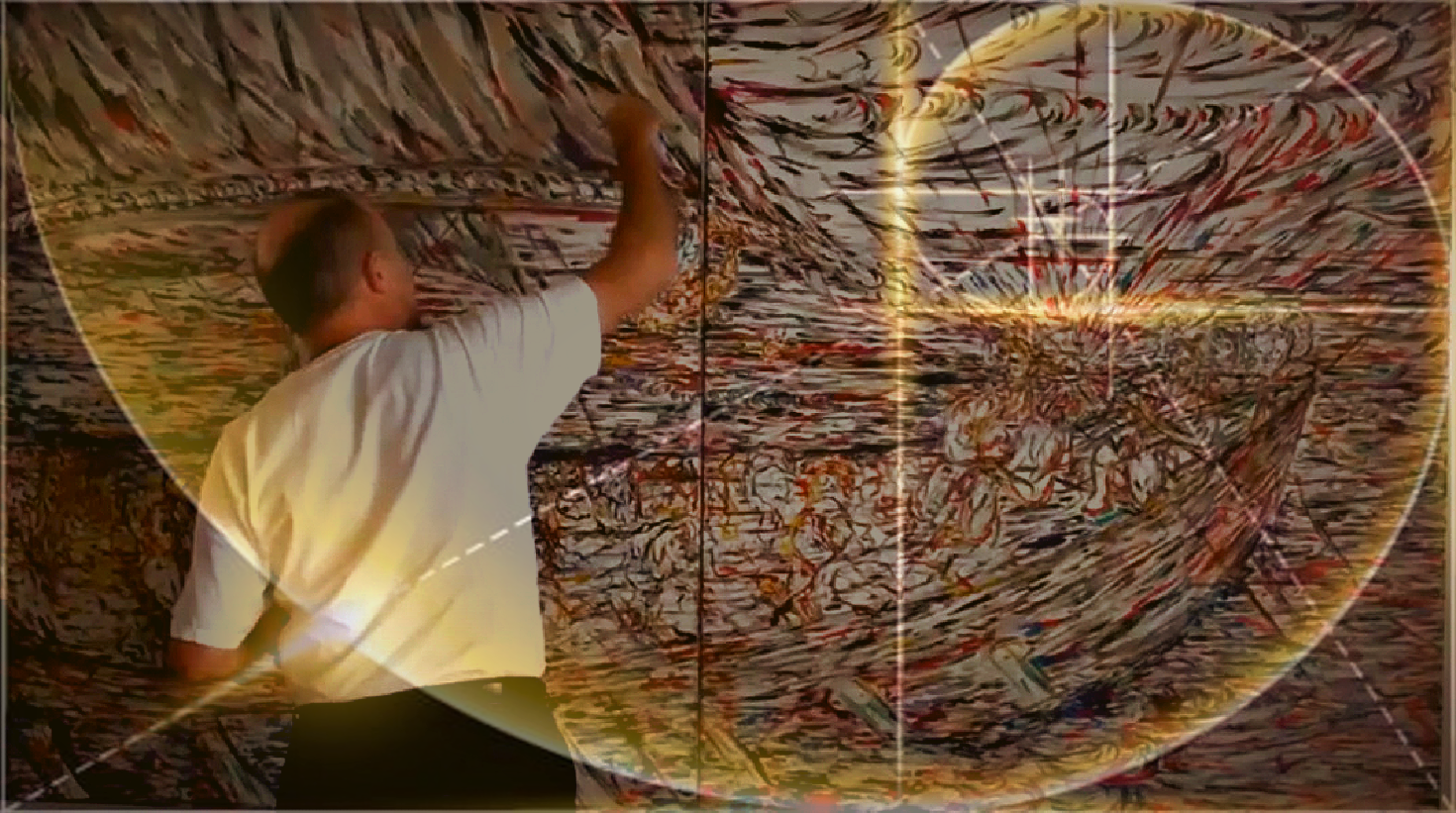
Claude Edwin Theriault, French Acadian artist who refuses to play into the “cute tourist brochure narratives” that dominate the Nova Scotia art scene.
 TRANSSION: LHX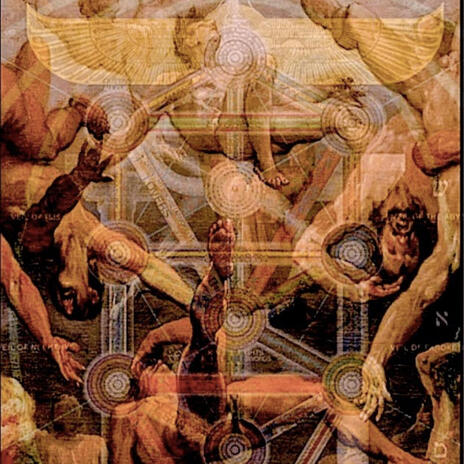
Nova Scotia has long been celebrated for its rugged landscapes, maritime traditions, and thriving creative community. Yet beneath the glossy postcard veneer that many art institutions promote, there exists a bold, unfiltered voice. That voice belongs to Claude Edwin Theriault, a contemporary French Acadian artist who refuses to play into the “cute tourist brochure narratives” that dominate the Nova Scotia art scene.
 Claude Theriault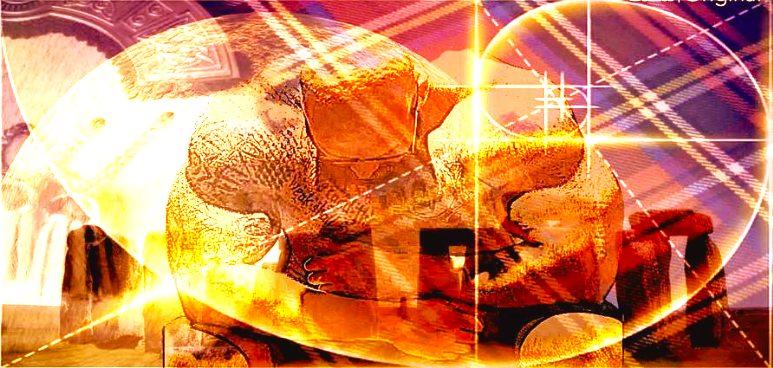
Theriault’s work doesn’t flatter oligarch-run heritage institutions; it challenges them. His triple-indented listing on Google’s first page for “Nova Scotia Artist Gallery” even outranks the dull and uninspired Halifax-centric Art Gallery of Nova Scotia (AGNS). Still, he remains ghosted by cultural gatekeepers who prefer safe, palatable art over Theriault’s unapologetic truth-telling and expression of topics and issues the mainstream does not want to touch, in both visual and Cajun Dead et le Talkin' Stick song narratives.
His story is one of defiance, persistence, and a call for a new era of contemporary art in Atlantic Canada, told by Jackie and Yvonne Vautour.
 Claude Edwin Theriault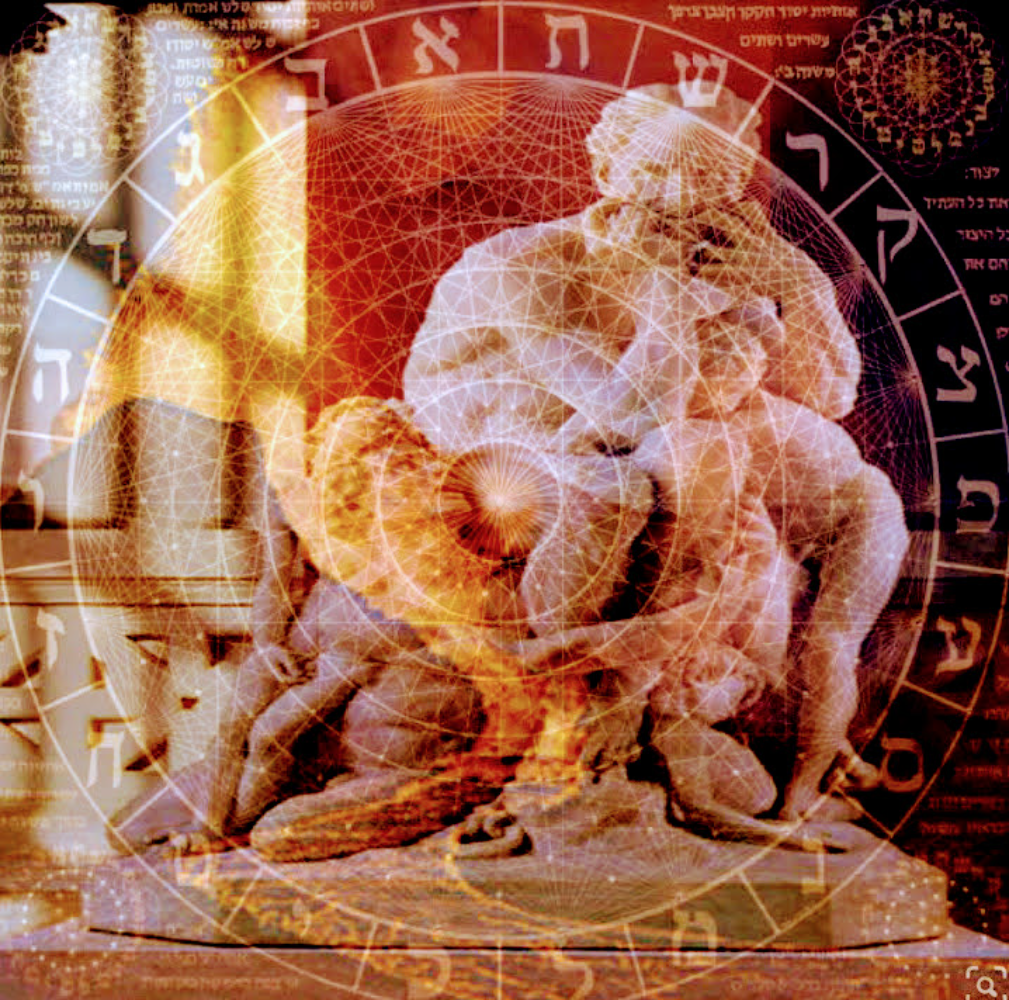
Breaking Away from the Halifax-Centric Narrative
For decades, the Art Gallery of Nova Scotia has claimed authority as the province’s central cultural hub. Its exhibitions often reinforce heritage narratives tied to tourism, offering visitors a neatly packaged slice of maritime nostalgia. While this has kept donors and tourist boards satisfied, it has also created a narrow, exclusionary lens for what counts as Nova Scotian art.
Theriault, however, operates on a very different frequency. His art fuses esoteric archetypes, contemporary issues, and digital innovation, producing hieroglyphic totemic narratives that speak to the complexity of today’s world. Rather than glossing over hard truths, Theriault addresses them head-on—be it the commodification of culture, the silencing of queer and neurodiverse voices, or the rise of decentralized digital economies.
By doing so, he disrupts the Halifax-centric narrative, showing that Nova Scotia’s artistic pulse beats well beyond institutional walls.
 Claude Edwin Theriault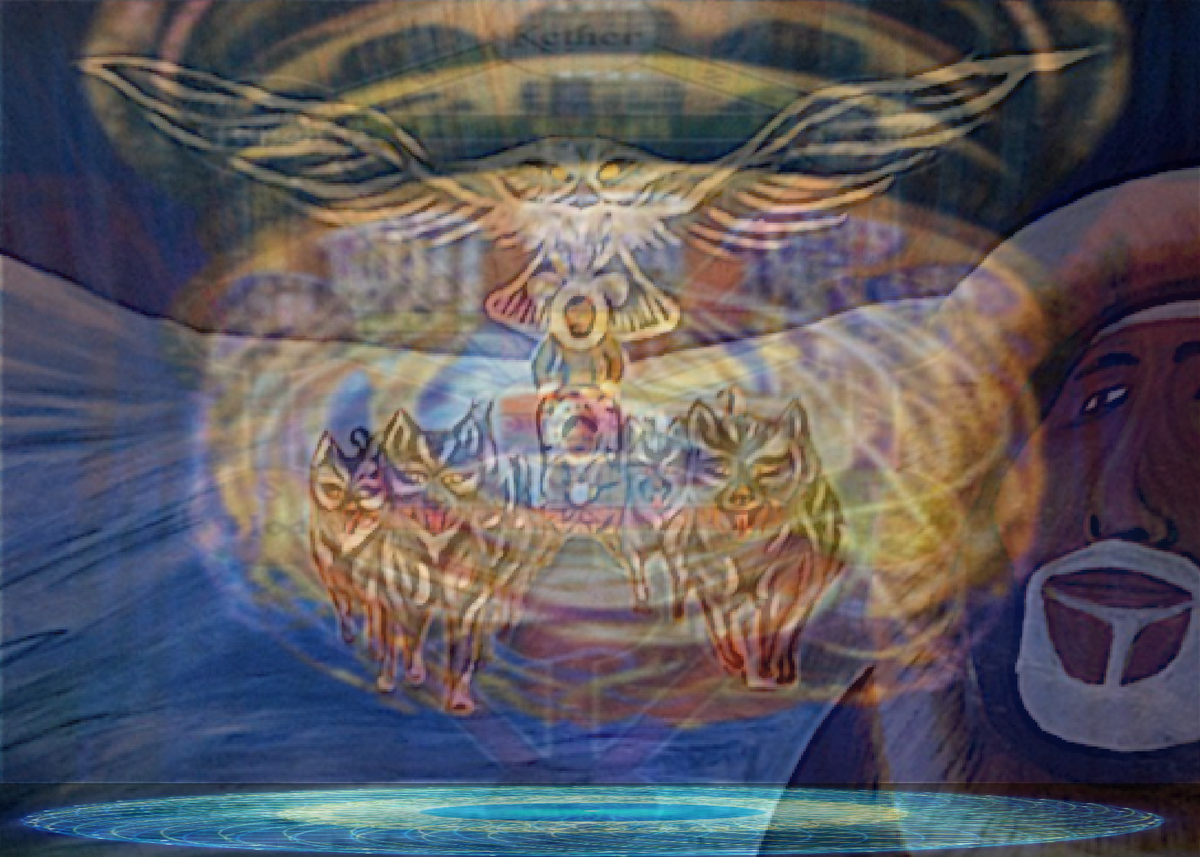
Self-representing Artist
The Google Phenomenon: Outranking the Art Gallery of Nova Scotia
Search engines rarely lie. A triple-indented Google listing on the first page for “Nova Scotia Artist Gallery” is not an accident—it’s the result of cultural demand aligning with digital authority. Claude Edwin Theriault has managed to outrank the Art Gallery of Nova Scotia in organic search results, a feat few independent artists in Atlantic Canada can claim.
This ranking signals more than clever SEO. It’s proof that audiences are hungry for alternatives to the institutionalized art experience. They are seeking voices like Theriault’s—artists who confront the real, the raw, and the unresolved. While AGNS enjoys provincial funding and national press, Theriault is carving out space in the digital frontier, where gatekeepers can’t censor his message.
And yet, despite this undeniable visibility, the oligarchs of Nova Scotia’s cultural scene continue to ghost him—choosing to ignore the uncomfortable truths his work embodies.
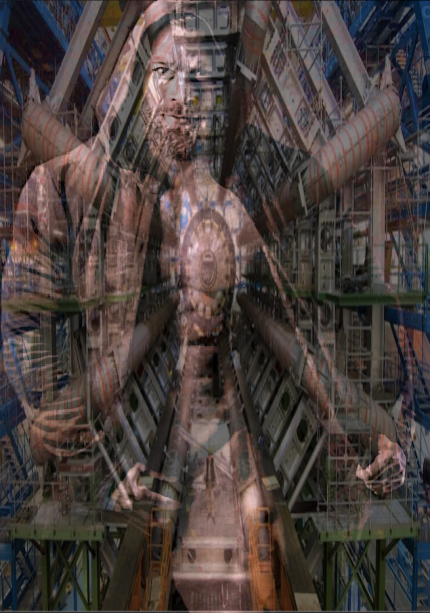
Ghosted by Cultural Oligarchs: The Price of Telling the Truth
Theriault’s refusal to conform comes at a price. In the tightly controlled cultural ecosystem of Nova Scotia, stepping outside sanctioned narratives can mean professional exile. Gallery boards, heritage committees, and provincial art councils often operate as oligarchic cliques, rewarding compliance while punishing dissent.
Theriault doesn’t play the game. His exhibitions are not polite nods to fishing villages or quaint coastal life; they are symbolist explorations of modern crises, from the refugee experience, as mirrored through the 1755 Acadian expulsion, to the collapse of centralized financial systems and the rise of tokenized economies.
This directness unsettles those who rely on art as a marketing tool for tourism. Instead of being celebrated as one of Nova Scotia’s leading contemporary voices, Theriault is ghosted—excluded from awards, grants, and institutional recognition. Yet, paradoxically, his influence online continues to eclipse that of the very institutions trying to silence him.
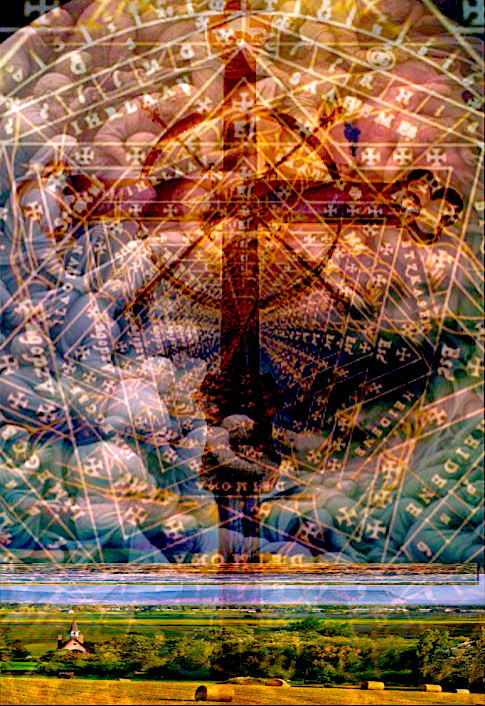
Nova Scotia Artist Gallery: Claude Edwin Theriault’s Defiant Stand in Contemporary Art
Claude Edwin Theriault represents more than an individual artist; he symbolizes a turning point in Nova Scotia’s art narrative. The future of art in the region will not be dictated solely by Halifax institutions or curated brochures designed to appease tourists. It will be shaped by artists who use their platforms to speak uncomfortable truths, connect global issues to local histories, and leverage technology to bypass gatekeepers.
Theriault’s MBF-Lifestyle East Coast gallery exemplifies this shift. By integrating traditional oil painting with 3D digital motion graphics, blockchain minting, and print-on-demand distribution, he has created a hybrid model of artistic expression and ownership that aligns with global contemporary art movements.
For collectors, curators, and cultural observers, the message is clear: the next great Nova Scotia Artist Gallery is not a brick-and-mortar building in Halifax—it’s the living, evolving digital presence of artists like Theriault who are rewriting the cultural script.
FAQs about Claude Edwin Theriault and the Nova Scotia Artist Gallery
1. What makes Claude Edwin Theriault different from other Nova Scotia artists?
Theriault stands out by addressing contemporary societal issues and esoteric archetypes, rather than producing heritage-driven, tourist-friendly narratives. His work bridges the tradition of oil painting with innovation through digital media and blockchain technologies.
2. How did Theriault outrank the Art Gallery of Nova Scotia on Google?
Through consistent publishing, strong digital authority, and audience demand for alternative narratives, Theriault’s content achieved a triple-indented listing on Google’s first page, proving that independent voices can surpass institutional power online.
3. Why do cultural institutions ghost Theriault?
Because his art reveals uncomfortable truths—about exclusion, commodification, and global crises—institutions aligned with heritage tourism and oligarchic control often sideline him in favour of safer, more marketable art.
4. What is the MBF-Lifestyle East Coast gallery?
It is Theriault’s hybrid gallery model, showcasing his physical and digital artworks. It blends traditional oil paintings with NFT minting, 3D motion graphics, and print-on-demand services, redefining what a Nova Scotia artist gallery can be.
5. Where can I learn more about Theriault’s work and Nova Scotia’s contemporary art scene?
You can explore more through sources such as
- Modern Contemporary Artwork Trends: Nova Scotia Art Gallery
- Canadian Art—The Changing Landscape of Atlantic Artists
- ARTnews—The Global Shift Toward Decentralized Art Platforms
- Hyperallergic—The Politics of Contemporary Art Exhibitions
- Art Daily—Artists Who Challenge Cultural Oligarchies
 Claude Edwin Theriault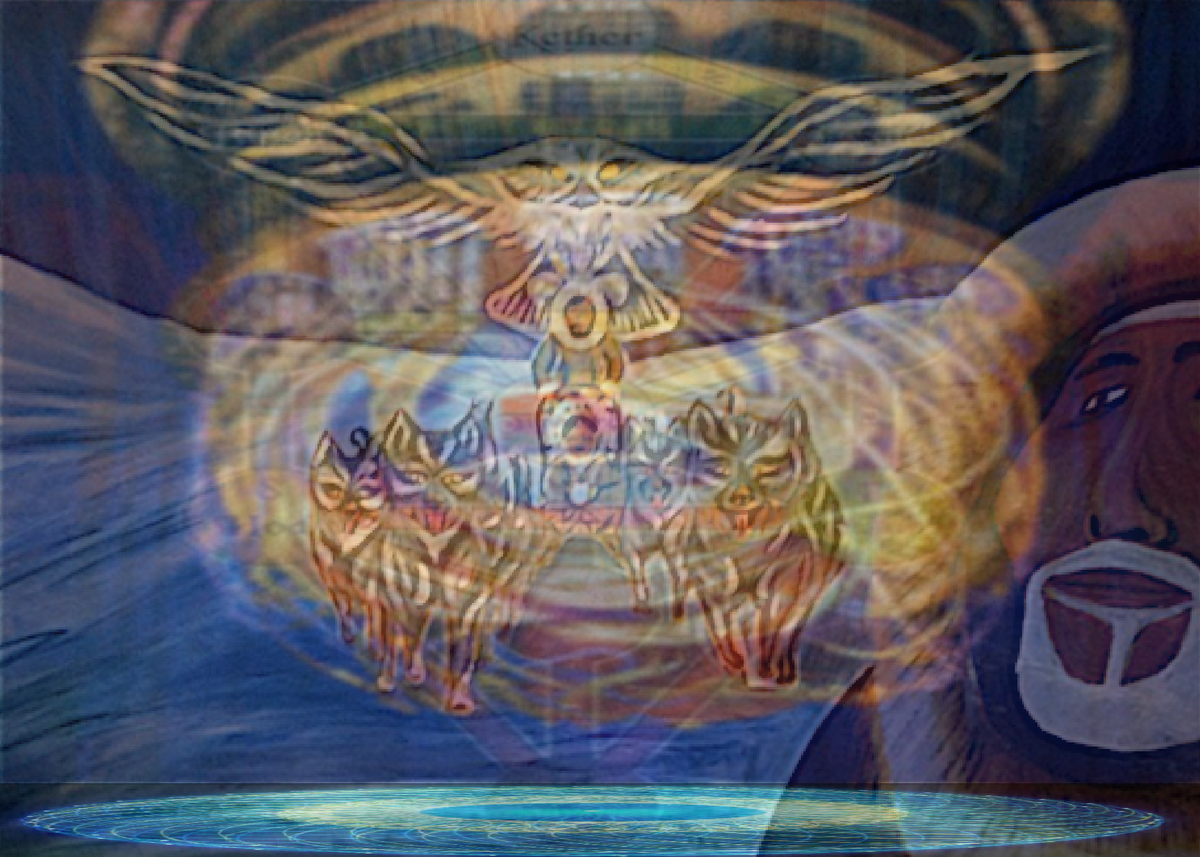
Conclusion
Claude Edwin Theriault’s defiance against Nova Scotia’s cultural oligarchs is more than an artistic statement—it’s a blueprint for the future of art in Atlantic Canada. By outranking the Art Gallery of Nova Scotia online, embracing new technologies, and speaking truth to power, Theriault embodies the spirit of a new Nova Scotia artist gallery—one that belongs not to institutions. Still, to the people and the global conversation they are part of, this remains significant.