Cajun Dead et le Talkin’ Stick: Indie-Twang Alt-Country Breaking Free from Bro-Country Norms
As mainstream country doubles down on arena polish, algorithm-safe lyrics, a parallel Appalachian Indie twang movement is gaining momentum Now.

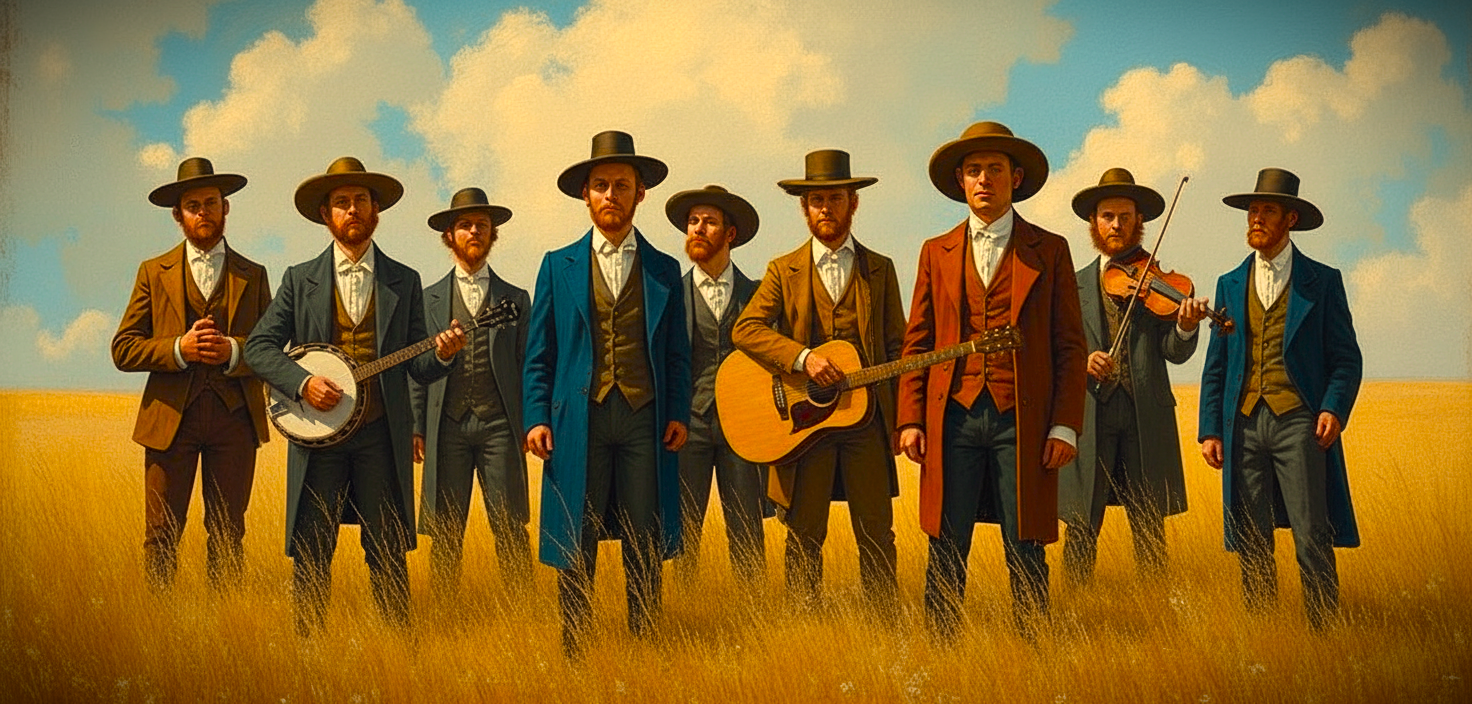
As the mainstream country industry doubles down on arena polish, algorithm-safe lyrics, and what many listeners quietly call "bro fatigue," a parallel movement is gaining momentum. Alt-country, indie-twang, and experimental Americana are reclaiming the raw, human core of the genre. People are craving authentic storytelling, imperfect textures, and music that feels lived-in rather than focus-grouped.
That’s exactly where the Cajun Dead and le Talkin’ Stick indie-twang song lyric catalogue lands—not as nostalgia cosplay, but as an avant-garde reinterpretation of the country’s oldest impulses: travel, loss, exile, survival, and meaning.
This catalogue doesn’t imitate country music. It dissects it, reassembles it, and pushes it forward—blending Appalachian instrumentation, indie textures, and unconventional global elements like hurdy-gurdy and didgeridoo into a sound that feels simultaneously ancient and future-leaning.

Cajun Dead et le Talkin’ Stick: Breaking Down the Many Types of Country Music Through an Indie-Twang Lens of Newstrail Press
Country music is splintering—and that’s a good thing.
Welcome to country music without the bravado—and with something real to say.
 Claude Theriault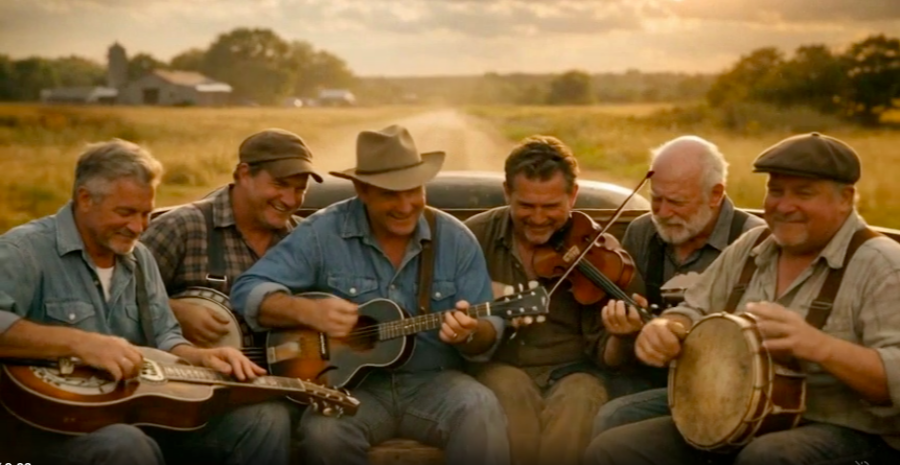
1. The Evolution of Country Music: From Roots to Rupture
To understand why Cajun Dead and Le Talkin’ Stick resonate right now, you have to understand where country music actually comes from—not the Nashville myth, but the cultural reality.
Country music began as folk transmission, not an entertainment product. Appalachian ballads, Acadian exile songs, and frontier laments—these were oral histories set to rhythm, often carried across borders, languages, and generations.
Over time, commercialization streamlined the genre:
- Radio demanded predictable structures
- Labels favoured image over narrative
- Production polished out the human edges
The result? A widening gap between country as lived experience and country as a market category.
Alt-country emerged as a corrective. Indie-twang followed. Today’s listeners aren’t rejecting country—they’re rejecting inauthenticity.
 Claude Theriault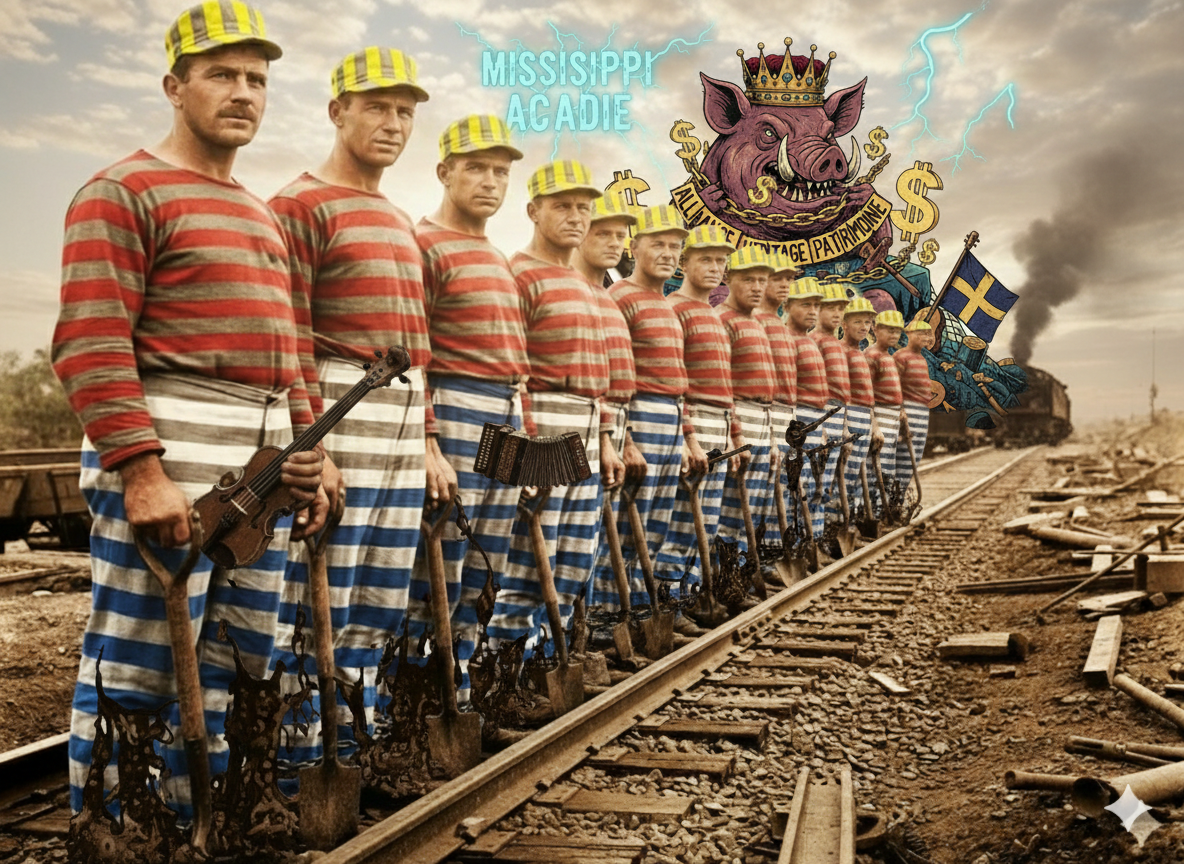
Cajun Dead and le Talkin’ Stick steps directly into that rupture point. The catalogue doesn’t chase genre approval. It treats country music as a living archive, pulling from the following:
- Acadian displacement narratives
- Appalachian drone traditions
- Indigenous rhythm memory
- Psychedelic Americana structures
This is country music remembering what it’s for—not mass appeal, but human connection.
2. Indie-Twang as Avant-Garde Country: Where Tradition Meets Risk
Indie-twang isn’t just a subgenre. It’s a philosophy.
At its core, indie-twang rejects:
- Over-compression
- Hyper-masculine posturing
- Algorithm-driven songwriting
Instead, it prioritizes flow state, texture, and emotional honesty—often at the expense of radio friendliness. That’s not a flaw. It’s the point.
The Cajun Dead and the Talkin’ Stick lyric catalogue push indie-twang further into avant-garde territory by integrating instrumentation rarely associated with country:
- Hurdy-gurdy for droning continuity and medieval resonance
- Didgeridoo for breath-based grounding and primal rhythm
- Appalachian-inspired strings that favour tension over sweetness
- Minimalist percussion that leaves room for silence
This isn’t genre fusion for novelty. It’s sonic archaeology—uncovering the shared ancestral frequencies that existed before genres were siloed.
The result is a “no-bro” country sound:
- No chest-thumping
- No pickup-truck clichés
- No emotional shortcuts
Just presence, voice, and story.
And that’s exactly what modern listeners are gravitating toward.
 Claude Theriault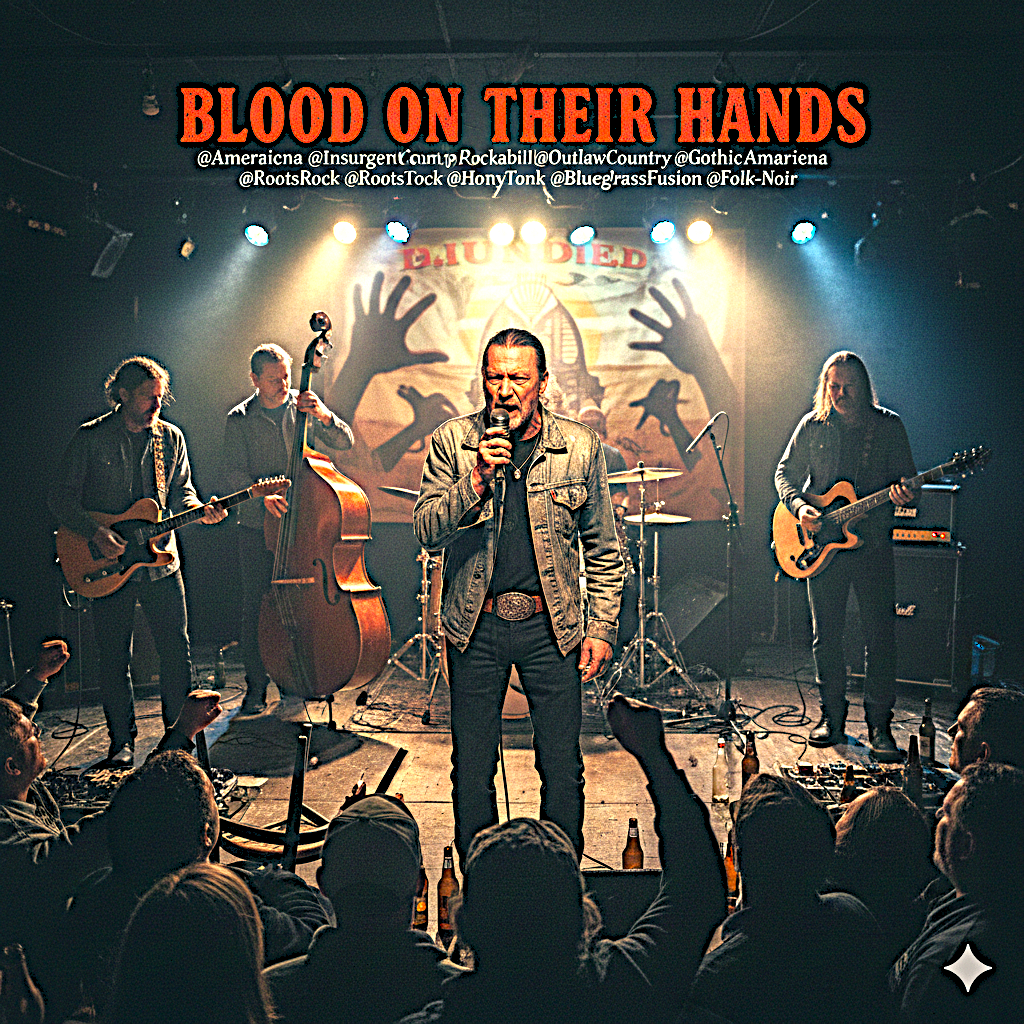
3. Nostalgic Americana Without Sentimentality
Nostalgia is dangerous when it turns into parody. Too much modern Americana mistakes surface aesthetics—denim, dust, and highway imagery—for substance.
What separates Cajun Dead et le Talkin’ Stick from retro pastiche is its refusal to romanticize the past.
The catalogue embraces nostalgic Americana as memory, not marketing.
- Exile is not glorified
- Rural life isn’t sanitized
- Survival stories remain unresolved
This aligns with a broader alt-country trend where listeners want emotional truth, not cosplay. Songs don’t wrap themselves in neat conclusions. They linger, much like lived experience does.
By pairing ancient instruments with indie production restraint, the catalogue creates a temporal dislocation—listeners feel grounded in something old while remaining emotionally present in the now.
That tension is where meaning lives.
And meaning, not polish, is what today’s audience is searching for.
4. Why This Catalogue Resonates Now: Flow State, Humanity, and Real Contact
We’re living in an era of infinite content and shrinking attention—yet paradoxically, people are longing for depth.
The rise of AI-generated music, hyper-produced pop, and disposable soundtracks has made something painfully clear: listeners can feel when there’s no human on the other end.
That’s why the Cajun Dead and Le Talkin’ Stick catalogues connect.
It prioritizes:
- Flow state listening over hooks
- Embodied rhythm over click-track perfection
- Narrative continuity over singles
Listeners don’t just consume these songs—they enter them.
The absence of bro-centric tropes opens space for the following:
- Neurodivergent listeners
- Reflective listeners
- Creatives burned out by constant stimulation
This isn’t background music. It’s companionship music.
And in a culture starved for genuine human contact, that matters more than chart placement.
Frequently Asked Questions (FAQs)
1. What type of country music is Cajun Dead et le Talkin’ Stick?
It fits within alt-country and indie-twang, with strong influences from Appalachian folk, Americana, and avant-garde experimentation. It deliberately avoids mainstream country tropes.
2. Why are unusual instruments like the hurdy-gurdy and didgeridoo used?
These instruments create a continuous drone and breath-based rhythm, connecting modern indie textures to ancient musical traditions and enhancing flow-state listening.
3. How does this differ from mainstream country music?
Mainstream country emphasizes polish and persona. This catalogue emphasizes story, texture, and presence, moving away from “bro-country” aesthetics entirely.
4. Is this music political?
Not explicitly. It’s humanitarian and narrative-driven, focusing on displacement, memory, and survival rather than slogans or ideology.
5. Who is this music for?
Listeners seeking authentic storytelling, emotional depth, and music that feels human—especially those fatigued by algorithm-driven sound.
Citations
Finding reliable sources on niche cultural movements like "Cajun Dead" (the intersection of Grateful Dead culture and Cajun/Zydeco music) and the evolution of Alt-Country can be a deep dive.
Here are six citations to help you explore these sounds.
Cajun Dead & The Talkin' Stick
The "Cajun Dead" phenomenon often centers on the work of Al Berard and the Talkin' Stick project, which reimagines Grateful Dead classics through the lens of Acadian instrumentation.
- "Al Berard: Cajun Dead & The Talkin' Stick" — OffBeat Magazine. This article explores the late Al Berard’s visionary project, detailing how he blended the psychedelic improvisations of the Dead with traditional Cajun fiddle and accordion.
- "The Spirited Fusion of Acadiana and the Dead" — The Independent. A deep look into the Lafayette music scene’s unique relationship with "Jam Band" culture and how Talkin' Stick became a cult classic in the Gulf Coast region.
- "Cajun Dead: A Tribute to the Grateful Dead" — Louisiana Music Archive: A catalogued breakdown of the Talkin' Stick album, featuring insights into the recording process and the specific traditional tunes that were paired with Dead tracks.
Alt-Country Authority Sites
When you want to move beyond the mainstream and into the "No Depression" side of country music, these three sites are the gold standards for history and discovery.
- No Depression: The Journal of Roots Music. Originally a print magazine named after the Uncle Tupelo album, this is the definitive source for alt-country, Americana, and folk-rock journalism.
- Saving Country Music: A powerful, independent voice in the industry that focuses on "real" country music. It provides deep-dive histories on the outlaw movement and the modern Alt-Country landscape.
- The Americana Music Association. The official body for the genre, providing news, chart data, and historical context for the artists who bridge the gap between country, rock, and roots.
Final Take
Cajun Dead and the Talkin’ Stick aren't trying to save country music.
It’s doing something more radical—remembering it.
And for listeners yearning for real flow state, real stories, and real human presence, that’s exactly the kind of country worth listening to.