There’s Meat on Them Bones: How Cajun Dead et le Talkin Stick song book; Is Rebuilding the American Songbook from the Bayou Bordello on Up
Cajun Dead et le Talkin`Stick new project,There’s Meat on Them Bones, rides somewhere between backwoods folklore and avant-garde performance art

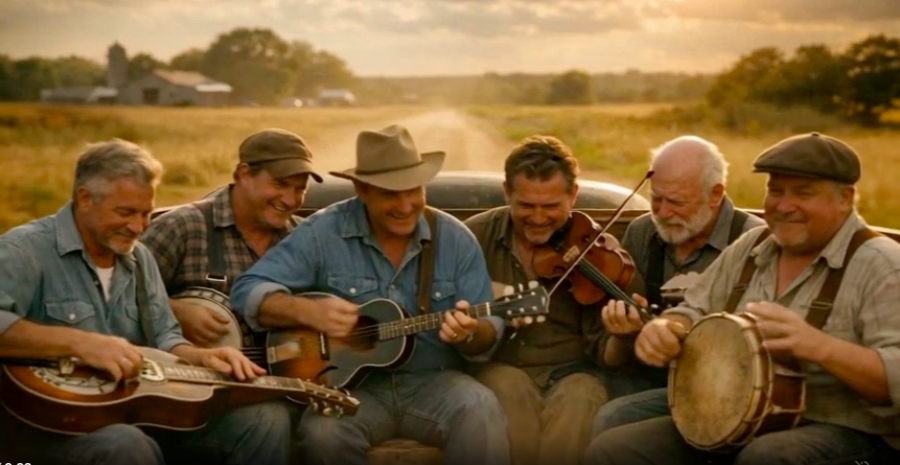
In a world where mainstream country still often keeps its boots in the mud of predictability, Cajun Dead et le Talkin Stick has carved a sound that outsiders can only call revolutionary. Their new project, There’s Meat on Them Bones, rides somewhere between backwoods folklore and avant-garde performance art—an alt-twang, queer-grass, Cajun-country fusion imbued with raw, sensual language, bilingual wordplay, and Scotian pride.
This song isn’t just bending genres—it's vaporizing the very concept of categorical boundaries. Born from the echo of Louisiana backroads and Nova Scotian coastlines, There’s Meat on Them Bones walks straight down le chemin du roi (the King’s Road) with the swagger of rebellion and the heart of myth.
Reimagining Country: When Cajun Meets Queer Alt-Twang & groundbreaking independent music
 Claude Theriault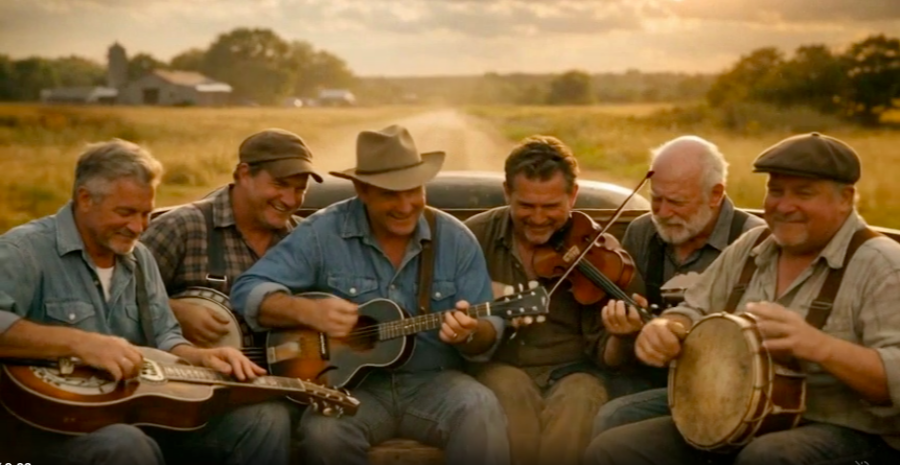
For decades, mainstream country has swung between commercial polish and nostalgic storytelling. Cajun Dead et le Talkin Stick throws a wrench into both: they reclaim country through queerness, counterculture, and old-world mysticism.
The song opens with a rhythmic chant about the “meat on them legs,” evoking both the physical allure of presence and the metaphorical weight of identity. Beneath this lyrical swagger is a philosophical undercurrent: embodiment as resistance.
The soundscapes mix Louisiana zydeco, bluegrass banjo lines, Appalachian fiddle, and Bayou jazz rhythms—then subvert them with alt-rock distortion and a distinctly queer cadence. The result? What some have dubbed “post-country folk surrealism.”
Listeners might catch echoes of classic Southern figures like Tina Turner’s sensual rhythm or Patsy Cline’s torch-song pain, yet they’re filtered through playful bilingual phrasing—"What a Pony Conquistadoré Bello Bell’uomo”—an operatic Cajun-Italian crossover phrase that mocks how cultural labels can’t contain human expression.
Cajun Dead et le Talkin Stick aren’t trying to fit in. They’re conjuring new language from the dust of the old.
Learn more about Cajun Dead et le Talkin Stick’s creative philosophy here.
Between Flesh and Spirit: Symbolism and the Sacred Kitchen with emerging country indie act
If “There’s Meat on Them Bones” sounds like a feast, that’s because it is—both literal and symbolic. References to “sweet potatoes cooking up a storm” and “the Bordello kitchen” fuse sensual cooking imagery with the spiritual ritual of transformation.
The kitchen becomes a metaphorical altar—a place of creation, labor, and sensuality. Sweet potatoes cooking all night echoes both the endurance of love and the cyclic rhythm of work, play, and art.
This visceral imagery—meat, bones, heat, and hands—ties directly to Cajun and Acadian folk symbology. To the casual ear, it’s playful; to the informed listener, it’s a reclamation of Scotian-Cajun identity, forged through migration and resilience.
In a single verse, the line “Flesh to bone, bone to stone, stone to oceanside—Scotian strong” becomes a prayer of ancestry, tracing how land, body, and spirit entwine. It’s an intersection of heritage and queerness, where survival isn’t just endurance but flamboyant rebirth.
Explore the symbolic roots of Cajun Dead et le Talkin Stick’s work.
 Claude Theriault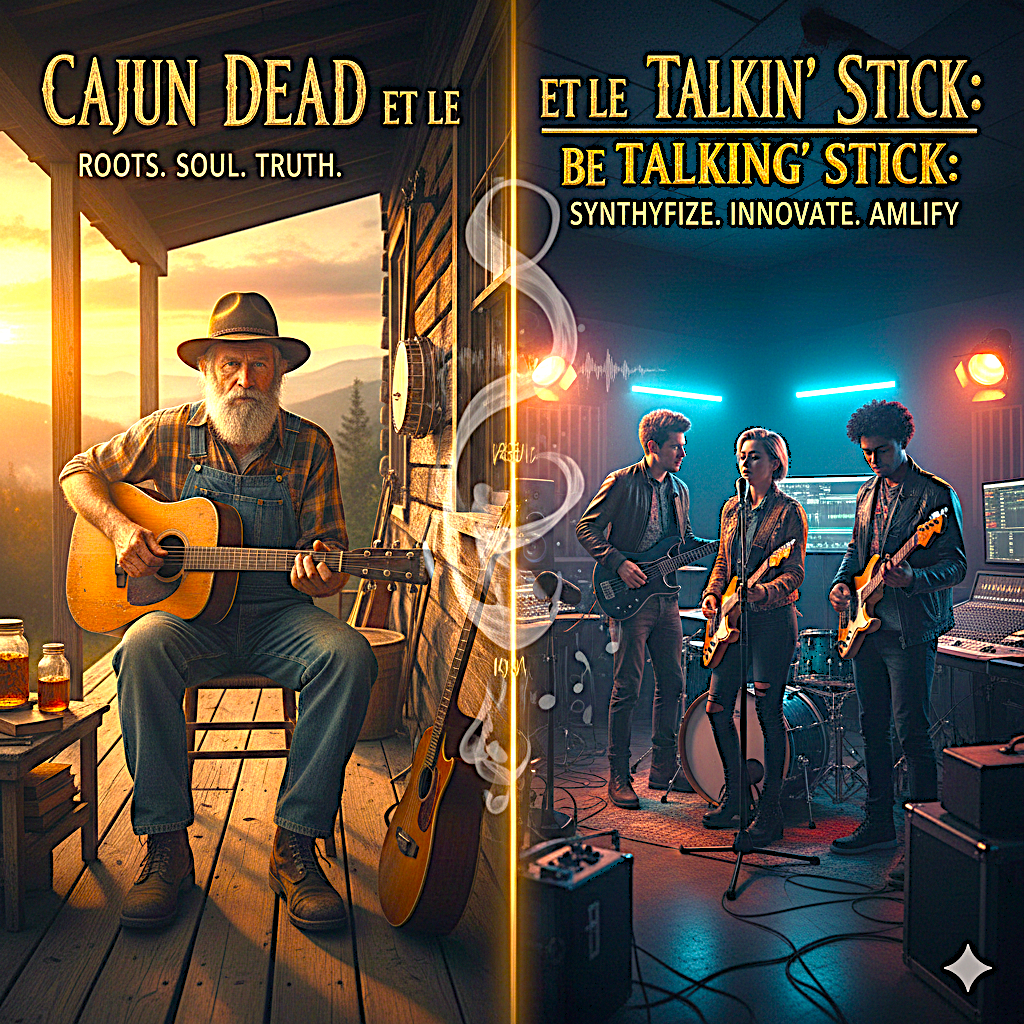
Sonic Alchemy in the Queer-Grass Movement
The genre label “alt-twang queer-grass” might sound playful, but it’s a serious declaration of artistic independence. It mirrors other outsider movements—from punk-blues in the 1980s to electrocumbia in the 2010s—where marginalized communities reengineered mainstream music’s DNA.
Cajun Dead’s approach blends:
- Queer storytelling with rural authenticity.
- Cajun phrasing and bilingualism (English, French, and local dialect).
- DIY recording aesthetics using analog tape and kitchen acoustics.
- Performance art elements involving masks, storytelling sticks, and live improvisation.
Industry executives have reportedly struggled to categorize the sound. That’s exactly the point. “There’s Meat on Them Bones” refuses marketing shorthand—it's not alt-country, not Americana, not folk-pop—but a new emergent form that confronts what “roots music” even means.
It’s “ahead of its time,” not because it’s chasing futurism, but because it’s reclaiming historic authenticity and queering it.
When asked about this resistance to categorization, members of Cajun Dead et le Talkin Stick answered with characteristic cryptic humor: “The bones remember what the industry forgot.”
See their latest interview about their sound evolution.
From the Bayou to the Global Stage: Why Mainstream Still Can’t Keep Up
Despite glowing reviews from underground critics, the mainstream industry still struggles to process art like this. So much of commercial viability depends on genre tagging—country, folk, and pop crossovers. Yet “There’s Meat on Them Bones” disrupts every checkbox. It’s multilingual, multi-gendered, multi-genre, and multicultural.
Streaming algorithms don’t know where to file it. Music journalists often call it “too queer” for Nashville, “too Cajun” for Americana, and “too real” for pop-folk. But history suggests that sounds once marginalized—from jazz to hip-hop to reggaetón—eventually become cornerstones of culture.
In this sense, Cajun Dead and le Talkin Stick stand as prophetic architects of a new rural aesthetic: one where the kitchen meets the chapel, and the flesh sings its own gospel.
Within the queergrass community, the track has already become an anthem. Performance artists and drag collectives in New Orleans, Halifax, and Montreal have adopted it in multimedia presentations, calling it a “ritual of liberation and laughter.” What started as an underground track recorded in a reclaimed barn now ripples outward—through streaming playlists, viral short videos, and academic music journals alike.
Read coverage of their rising influence in queer-country circles.
Why “There’s Meat on Them Bones"? Matters
Beyond its musical experimentation, the song arrives at a crucial cultural crossroads. It provides representation to communities long excluded from Southern-rooted music narratives—Queer, Indigenous, Acadian, and Scotian identities all appear in the rhythm and language.
Its storytelling echoes the struggles of labor, love, and survival. The “meat on them bones” metaphor becomes layered: a celebration of body positivity, working-class pride, and resilience. In Cajun Dead’s world, physicality itself is sacred—a radical idea in cultures long shaped by puritanical shame.
Every verse, every percussive stomp reminds listeners: aliveness is the point. Love, loss, humor, and flesh are not contradictions—they are harmonics of being. This honesty, packaged with ferocious wit and trance-like rhythm, explains why the mainstream can’t decode it. The song’s emotional transparency is too raw for formulaic radio.
Yet precisely that refusal cements its place in 21st-century music history.
Five Frequently Asked Questions (FAQs)
1. What genre does “There’s Meat on Them Bones” belong to?
It’s part of a rising movement known as alt-twang queer-grass—blending Cajun roots music, outlaw country, bluegrass, and queer performance art.
2. Who are Cajun Dead and le Talkin Stick?
They’re a boundary-pushing collective of musicians and performance artists from Louisiana and Nova Scotia, known for bilingual lyrics, folk surrealism, and social satire.
3. What themes does the song explore?
The song explores body positivity, working-class resilience, queer desire, kitchen labor, and ancestral lineage—wrapped in playful Cajun symbolism and humor.
4. Why hasn’t mainstream country embraced the sound yet?
Its cross-cultural, queer, and multilingual nature challenges the industry’s categorical norms. Like many avant-garde genres before it, acceptance often follows years after innovation.
5. Where can I listen or learn more about Cajun Dead et le Talkin Stick?
You can explore their official site and related media for song releases, essays, and behind-the-scenes stories.
Visit Cajun Dead and le Talkin Stick.