Jacques Surette fourth albumn disappoints on many levels
Insular French Canadian fine arts landscape, particularly within Acadian and francophone communities, has long struggled with a troubling paradox

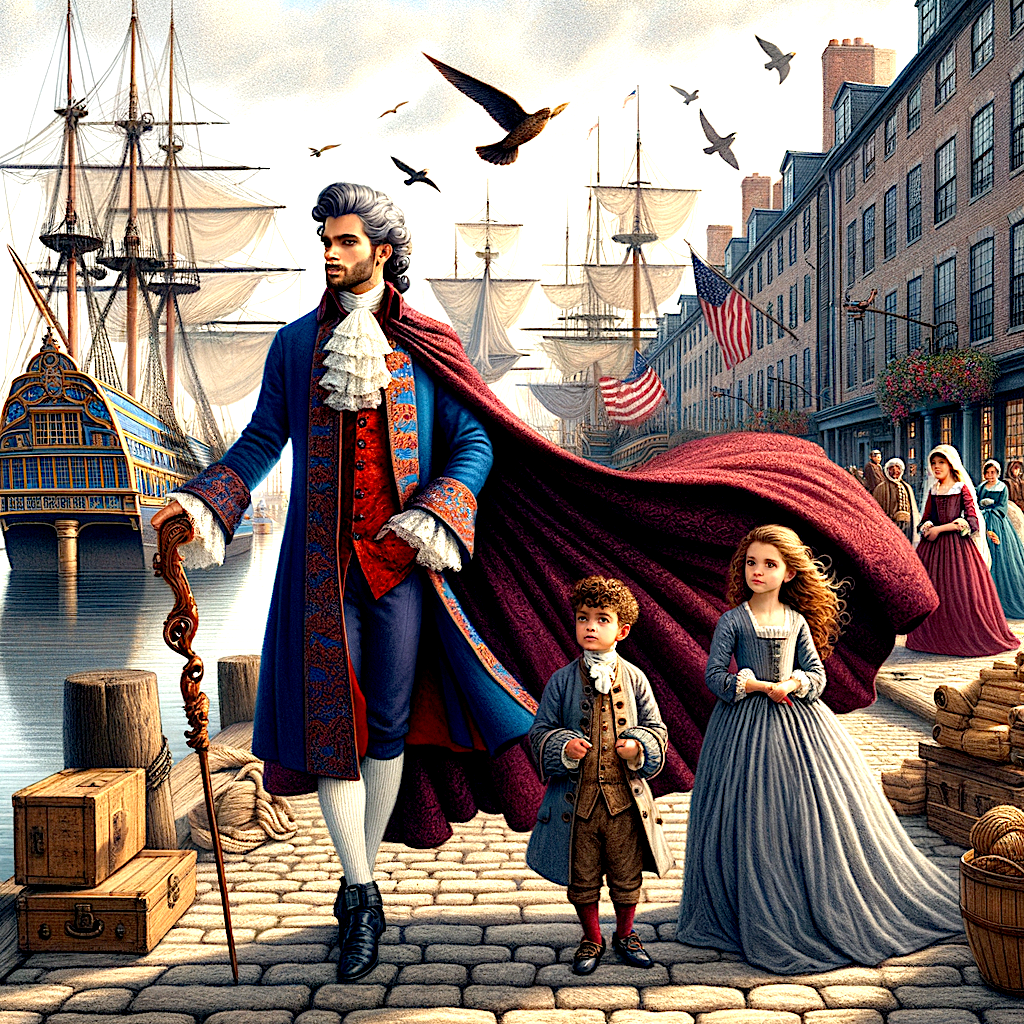
The Gatekeepers of Mediocrity: How Cultural Oligarchs Export Blandness While Brilliance Is Silenced
The Canadian fine arts landscape, particularly within Acadian and francophone communities, has long struggled with a troubling paradox. While claiming to celebrate cultural diversity and artistic innovation, its institutional gatekeepers continue to elevate mediocrity through patronage networks that privilege political connections over genuine talent. This insular heritage of the patrimonial industry oligarchs has created a stifling environment where formulaic nostalgia receives funding and airplay, while transformative artistic voices are systematically marginalized. The case of Jacques Surette and the shadowing of Cajun Dead et le talkin stick exemplifies this cultural crisis with painful clarity.
The Radarts Poster Child: Formulaic Nostalgia as Cultural Policy
Jacques Surette's fourth album represents everything wrong with the current state of government-funded francophone music in Canada. Backed by organizations like Radarts and benefiting from the incestuous relationships between cultural bureaucrats and their favoured artists, Surette delivers an album of stunning banality. His songs about "The old hats" and the tired refrain of being "happy to be driving along in his little black car" would barely merit attention at a community centre talent show. Yet, this work receives promotional support from Place des Arts Ottawa, radio play, and critical accolades from the very institutions meant to foster artistic excellence.
 TRANSSION: LHX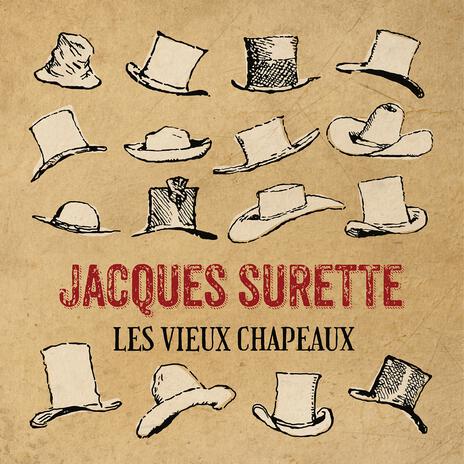
The problem is not simply that Surette's work lacks originality or depth—though it certainly does—but that his elevation represents a deliberate choice by cultural administrators to play it safe, to fund the familiar, and to reward those who operate within acceptable bounds of nostalgic mediocrity. This is amateur variety show material masquerading as professional artistry, bolstered by a system that prioritizes political reliability over creative risk-taking. When cultural funding becomes a reward for compliance rather than a catalyst for innovation, the entire ecosystem suffers a kind of artistic asphyxiation. The
French Version reveals more on the topic.
Ghosted Brilliance: The Silencing of Cajun Dead et le talkin stick
Meanwhile, genuinely innovative work receives the "ghosted treatment"—systematically ignored, unfunded, and excluded from the promotional apparatus that could bring it to wider audiences. Cajun Dead et le talkin stick represents precisely the kind of artistry that cultural institutions should champion: lyrically sophisticated, musically adventurous, and deeply engaged with both tradition and contemporary reality. Their songs pay homage to Édith Piaf while exploring themes of gratitude through the metaphor of "two branches," demonstrating how artists can honour the past while remaining rooted in present concerns.
Lànge Piaf et la gang de les gamins de Paris
Chantant pour du change et du pour boire la nuit
Du change sur le bord de la rue
Il en a plus raique plus en a la vues en a la vues
Y'a pus personne qui chante avec l'âme comme elle faisait
Puis d'Édith pour pleurer la vraie misère humaine en effet
Les artistes du jour, y font juste du bruit pour vendre
Mais le cœur qui pleure pour le vrai du vrai, y'est plus là pour entendre
Du jour au lundi, c'la qui sèn viens et c'la qui sèn vonne
D’icettes au jours et au lèn lèndemonne
Faites en créative faillite bien raid dans les beaux-arts
Fin du Saeculum, le braquage de l’Enfer
C'est juste le cœur qui finira à nous dire
Lànge Piaf et la gang de les gamins de Paris
Chantant pour du change et du pour boire la nuit
L'Ange Piaf et la gang de les gamins de Paris
Chantant pour du change et du pour boire la nuit
Du change sur le bord de la rue
Il en a plus raique plus en a la vues en a la vues
Ils disent qu'une chienne a toujours agare a ces choses
Dans un feedback loop de Vie en Rose
More importantly, Cajun Dead confronts difficult contemporary issues with poetic courage. The song lyric projects work Killed while seeking aid from the air raid, addressing the Gaza Strip massacres, achieves what the best political art always does: it transforms horror into beauty without diminishing the gravity of its subject matter, offering what might genuinely be called poetic justice through musical expression. This is art that takes risks, that refuses to hide behind the comforting banalities of kitchen party sing-alongs, that demands something of its audience beyond passive nostalgia.
Killed while seeking Aid from the air raid, don`t ya know
Caught up in the human flow
Four hundred thousand-year-old yarn
Munit Heac et al. Vincit alarm
Where one hand still defends Honour
On the other hand, the other hand went and conquered
Matters into my own hands ability
Part of the new mindset du Jour Antifragility
When things get harder, we get stronger, as it`s meant to be
Antifragile isn't about protecting yourself from the world you see
It's about becoming strong enough to help remake it work
To go out and fend for myself, merit and worth
On the other hand, Conquers in the end a trust
All HillBill Lust for the power and the power of the lust
Always more to have and store, and for Aid
Killed while seeking Aid from the air raid
Don't you know? Don't you say, say, say? these days
 Claude Edwin Theriault
Yet this is precisely why such work remains marginalized. The cultural silo environment created by politically connected gatekeepers cannot accommodate art that challenges, provokes, or expands the boundaries of acceptable expression. Innovation is often viewed as a threat to the established order, and artists who refuse to conform to the outdated templates approved by bureaucratic committees frequently find themselves excluded from funding, airplay, and critical attention. The brilliance gets ghosted because brilliance is dangerous to those whose power depends on maintaining mediocrity as the standard.
Living in 1975: The Bay Gang's Obsolete Template
The music of the Bay Gang epitomizes the temporal dissonance at the heart of this cultural dysfunction. Operating with the aesthetic sensibilities and thematic preoccupations of 1975, this musical approach centres on "pride and kitchen party themes" that might have felt vibrant half a century ago but now register as museum pieces—nostalgia for a nostalgia that itself was always partly manufactured. There is something almost wilfully obtuse about continuing to produce this kind of work in 2025, as though the massive cultural shifts of the past fifty years haven't occurred.
 Claude Edwin Theriault
The world has changed. Digital technology has revolutionized the creation, distribution, and consumption of music. Global consciousness has expanded to encompass struggles and solidarities that transcend parochial boundaries. Young audiences demand authenticity, engagement with contemporary issues, and artistic innovation that speaks to their lived reality rather than their grandparents' selective memories. Yet the Bay Gang aesthetic remains frozen in amber, completely innocent of the cultural tsunami that is washing away its relevance. By 2030, this approach will seem not merely dated but incomprehensible—a relic of an era when cultural gatekeepers could successfully insulate their preferred artists from genuine public engagement.
The Bureaucratic Gang: Racism, Patronage, and the Export of Mediocrity
What makes this situation particularly disturbing is the structural racism that often underlies these patronage networks. The "gang of bureaucrats" who control access to funding and promotional channels frequently operate according to unspoken criteria that privilege certain backgrounds, connections, and aesthetic sensibilities while systematically excluding others. This is not simply about personal taste or aesthetic disagreement; it represents institutional gatekeeping that perpetuates existing power structures, ensuring that only "acceptable" voices receive amplification.
The result is that Canadian cultural institutions, ostensibly dedicated to fostering artistic excellence and representing the nation's diversity, instead export mediocrity to the world. They promote artists like Surette whose work represents no challenge, no innovation, no genuine engagement with contemporary reality. They fund projects that could have been created in 1975, ignoring the artists who are actually pushing boundaries and creating work of lasting significance. And they do so while patting themselves on the back for supporting "Canadian culture"—as though culture were a static, preservable commodity rather than a living, evolving conversation.
The sadness of this situation extends beyond the individual artists who are marginalized; it also affects the broader community. It represents a betrayal of culture itself, a failure to understand that art's primary obligation is to truth and beauty rather than to political convenience or bureaucratic caution. When Cajun Dead addresses the Gaza massacres with poetic courage while Surette warbles about his little black car with governmental approval, we see the moral bankruptcy of a system that has confused cultural preservation with cultural embalming.
Conclusion
The insular heritage of Canada's patrimonial industry oligarchs continues to stifle genuine artistic innovation while elevating comfortable mediocrity. Until funding structures are reformed, cultural bureaucracies are held accountable for the artists they choose to support, and the "gang of bureaucrats" is replaced by curators genuinely committed to artistic excellence over political connections, we will continue to see brilliant work go unnoticed while formulaic nostalgia receives applause. This is not cultural policy; it is cultural suicide by committee. The tsunami is coming, and by 2030, the institutions that refused to change will find themselves swept away—taking their politically connected favourites with them, while the artists they ignored build something genuine from the wreckage.
Frequently Asked Questions
Q: What makes the current cultural funding system problematic? A: The system privileges political connections and bureaucratic approval over artistic merit, leading to funding for safe, formulaic work while innovative artists are systematically excluded from support structures.
Q: Why is Jacques Surette's work considered mediocre? A: His fourth album offers formulaic, nostalgic content lacking originality or depth—"amateur variety show calibre" material that receives institutional support primarily due to political connections rather than artistic achievement.
Q: What distinguishes Cajun Dead et le talkin stick's approach? A: They combine homage to tradition (Édith Piaf) with contemporary engagement, addressing difficult issues like the Gaza massacres with poetic sophistication while exploring universal themes of gratitude and connection.
Q: How does the "Bay Gang" aesthetic represent cultural stagnation? A: By continuing to produce music based on 1975 templates centred on "pride and kitchen party themes," this approach ignores fifty years of cultural evolution and fails to engage with contemporary audiences or issues.
Q: What structural changes would improve Canadian cultural funding? A: Reforms should prioritize artistic merit over political connections, increase transparency in funding decisions, diversify decision-making bodies beyond insular networks, and create accountability mechanisms that prevent bureaucratic gatekeeping from stifling innovation.