Country Ain't Nothin' But Three Chords and the Truth: How Cajun Dead et le Talkin Stick Is Rebooting American Roots Music
Cajun Dead et le Talkin Stick's new anthem challenges modern country's creative void with Appalachian roots, Cajun soul, raw working-class truth.

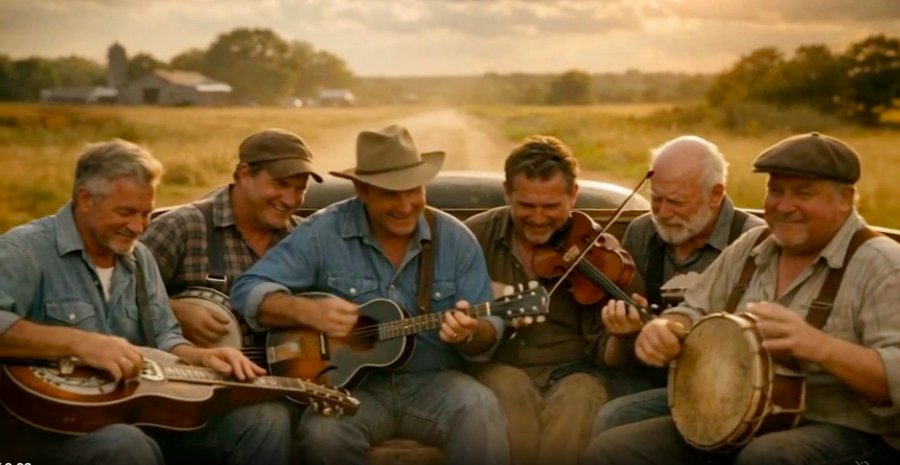
In an era when mainstream country music has become virtually indistinguishable from pop radio, a new voice is emerging from the convergence of Cajun swamps and Appalachian hollers. Cajun Dead et le Talkin Stick's latest release stands as a defiant anthem against creative bankruptcy in the country music industry, reminding listeners of the genre's foundational promise: authentic storytelling built on simple musical truths.
The song's central thesis—that country music is fundamentally about three chords and the truth—isn't just a catchy hook. It's a philosophical statement about what the genre has lost and what it desperately needs to reclaim. As the beating heart of its soul looks right back out at you, this track demands that both artists and audiences reconnect with the working-class roots that gave country music its power in the first place.
The Appalachian Soul: Musical Lineage and Cultural Heritage
The deep connection to Appalachian musical traditions runs through every verse of this composition like mountain water through ancient rock. The lyrics speak of a journey "from cajun hill bill to Appalachian way," acknowledging that these aren't separate traditions but interconnected streams of American roots music that have always informed and enriched each other.
Appalachian music emerged from the isolation of mountain communities, where European ballad traditions merged with African American blues and work songs to create something entirely new. This fusion produced the raw, emotionally direct style that would eventually birth both bluegrass and country music. The reference to "times bluegrass root" in the lyrics isn't accidental—it points directly to this heritage, where leaves fall like memories through generations of musical tradition.
 Claude Theriault
When the song describes how it "breathes through the veil, beyond sight or sound" and "breaks through the silence, where the truths are found," it's channelling the Appalachian tradition of music as spiritual practice. In mountain communities, music wasn't entertainment—it was how people processed grief, celebrated joy, passed down history, and made sense of hardship. This same ethos permeates Cajun Dead et le Talkin Stick's approach, treating the song not as a commercial product but as a necessary act of cultural preservation and renewal1.
The Cajun influence adds another layer of authenticity. Cajun music, born in the Louisiana bayous among French-speaking Acadian exiles, shares with Appalachian traditions an emphasis on storytelling, community, and the lived experiences of working people. The marriage of these two traditions creates something powerful—a sound that acknowledges regional differences while recognizing shared values of authenticity and emotional honesty.
Confronting Creative Bankruptcy in Modern Country
The song pulls no punches in its critique of contemporary country music's creative void. The imagery of "reflections in a mirror, obscured by the honky news cloud" and the reference to "fakebook reality" speak directly to an industry that has traded substance for superficial market appeal. This isn't merely nostalgia for a bygone era—it's a legitimate artistic argument about what happens when commercial considerations completely overtake creative integrity.
Modern mainstream country has become formulaic to the point of self-parody. The "bro-country" phenomenon of the 2010s and its various descendants have reduced the genre to predictable combinations of trucks, beer, dirt roads, and summer romance. While there's nothing inherently wrong with these themes, their endless repetition without genuine emotional depth or musical innovation has left many longtime country fans feeling abandoned by the very genre they once loved.
Cajun Dead et le Talkin Stick positions their work as a direct response to this crisis. The song asserts that it has "a voice by right not so much by choice"—implying that authentic country music must exist as a matter of cultural necessity, not market calculation. It "needs to be and it needs to rejoice," suggesting that real country music is an essential expression of working-class identity and experience that cannot be allowed to disappear into corporate homogenization3.
The "void of meaning" described in the lyrics reflects a broader cultural moment where authenticity has become increasingly rare. When silence shouts out loud and truth must be sought through the morning mist-formed paths where the lost wander without end, the song is diagnosing not just a musical problem but a societal one. In a world of manufactured images and algorithmically optimized content, the simple honesty of three chords and the truth becomes radical.
The Poetry of Working-Class Life
One of the song's greatest strengths is its vivid imagery of working-class existence. The "whispers of the river, echoes of the lib long day" and "workin' folk threads at dawn, woven in the touch of gray" create a portrait of lives shaped by labour, time, and the natural world. This isn't romanticized poverty—it's an honest acknowledgment of the dignity, exhaustion, beauty, and struggle of working people's lives.
The reference to threads at dawn woven with the touch of gray is particularly evocative. It suggests both the literal work of early morning labour and the metaphorical threads that connect individuals to their communities, families, and traditions. The touch of gray represents aging, experience, and the wisdom that comes from years of hard work. These aren't Instagram-friendly images—they're the real textures of lives lived close to the bone.
The song's imagery becomes more contemplative as it progresses. "Under the tired end of the workday sky" and "eternal questions of meanin' that sleep where shadows lie" acknowledge that working-class life isn't just about labor—it's also about the existential questions that arise when people have time to think. The "deep end of sleep" where "the calm of the soul" resides suggests that rest and reflection are as essential as work itself.
This approach stands in stark contrast to how mainstream country often depicts working-class life—either as an excuse for endless partying or as something to escape rather than honor. Cajun Dead et le Talkin Stick refuses both narratives, instead presenting working people as complex individuals with rich inner lives, strong connections to place and tradition, and legitimate claims to dignity and respect5.
Musical Philosophy: Three Chords and the Truth
The song's title and recurring refrain encapsulate a musical philosophy that deserves deeper examination. The phrase "three chords and the truth" has been attributed to various country music legends, but regardless of its origin, it captures something essential about the genre's aesthetic and ethical commitments.
The "three chords" part is both literal and metaphorical. Literally, countless classic country songs are built on simple I-IV-V chord progressions—the same progressions that underpin blues, rock and roll, and folk music. This simplicity is intentional. It keeps the focus on the lyrics and the emotional delivery rather than on technical virtuosity or production complexity. Anyone with a guitar and a few months of practice can play these progressions, making country music democratically accessible.
But the emphasis on three chords is also metaphorical for rejecting unnecessary complexity and pretension. In a musical landscape where production often involves dozens of tracks, countless effects, and extensive manipulation, the commitment to simplicity is a statement of values. It says that what matters is the human voice, the human story, and the human emotion—not the technology or the budget.
The "truth" part is even more crucial. This isn't truth as an objective fact but truth as emotional authenticity and lived experience. When the song describes how truth is "disguised in the night's subtle sighs" and how "after love echoes, here in the bed quietly lies," it's acknowledging that truth in country music isn't about grand pronouncements but about the small, intimate, often overlooked moments that define real lives.
This commitment to truth means rejecting the carefully constructed personas and marketing-driven narratives that dominate commercial country. It means being willing to look right back out at the audience with honesty, vulnerability, and sometimes uncomfortable realness. The beating heart of country music's soul, the song suggests, is this reciprocal exchange of authentic experience between artist and listener6.
Conclusion: Here to Stay
The song's assertion that "it's here and it's here right here ta stay" is both a promise and a challenge. It's a promise that authentic country music will survive despite commercial pressures and industry trends. It's a challenge to listeners to support and preserve the traditions that make country music meaningful.
Cajun Dead et le Talkin Stick's work represents more than nostalgia for a golden age. It's an active reimagining of what country music can be when it reconnects with its roots while speaking to contemporary concerns. By bridging Cajun and Appalachian traditions, by confronting creative bankruptcy head-on, by honoring working-class life without condescension, and by recommitting to the foundational values of simplicity and truth, this song offers a roadmap for country music's renewal.
In the end, the song returns repeatedly to its central image: the beating heart of country music's soul looking right back out at you. This reciprocity—the exchange between artist and audience, between past and present, between tradition and innovation—is what keeps any musical genre alive and relevant. Country ain't nothin' but three chords and the truth. Everything else is just noise.
Frequently Asked Questions
Q: What makes Cajun Dead et le Talkin Stick's approach to country music different from mainstream artists?
A: Cajun Dead et le Talkin Stick prioritizes authentic storytelling and traditional musical roots over commercial appeal. Their work draws from Cajun and Appalachian traditions, emphasizing simple instrumentation and honest lyrics about working-class life rather than following formulaic mainstream trends.
Q: How does Appalachian music influence this song?
A: The song incorporates Appalachian musical traditions through its emphasis on emotional directness, storytelling, and connection to place. References to bluegrass roots, mountain imagery, and the spiritual dimension of music all reflect Appalachian influence, while the simple chord structure echoes the accessible folk traditions of mountain communities.
Q: What does "three chords and the truth" actually mean?
A: This phrase represents a musical philosophy valuing simplicity and authenticity over technical complexity or production polish. The "three chords" refers to basic chord progressions that keep focus on lyrics and emotion, while "the truth" means emotional honesty and real-life experience rather than manufactured algorithmic personas or market-driven narratives.
Q: Why does the song criticize modern country music as "creatively bankrupt"?
A: The criticism stems from mainstream country's increasing reliance on formulaic themes (trucks, beer, dirt roads) and production techniques that prioritize commercial success over artistic integrity. The song argues that this approach has disconnected country music from its working-class roots and authentic storytelling traditions.
Q: How do Cajun and Appalachian traditions work together in this music?
A: Both traditions share core values of community, authenticity, and working-class storytelling despite their regional differences. Cajun music brings bayou soul and French-influenced rhythms, while Appalachian traditions contribute mountain ballad structures and bluegrass elements. Together, they create a richer, more textured approach to roots music that honours both lineages.
References
- Appalachian Roots in Modern Country Music - Cajun Dead et le Talkin Stick
- The Cajun-Appalachian Musical Fusion - Cajun Dead et le Talkin Stick
- Creative Bankruptcy in Contemporary Country: An Essay - Cajun Dead et le Talkin Stick
- Finding Meaning in the Void: Country Music's Mission - Cajun Dead et le Talkin Stick
- Honoring Working-Class Narratives Through Music - Cajun Dead et le Talkin Stick
- Three Chords and the Truth: A Musical Philosophy - Cajun Dead et le Talkin Stick