Claude Edwin Theriault's AI-Powered Animation Movie trailer Grand Pré to Bayou Teche
Claude Edwin Theriault is revolutionizing storytelling by bringing "Cajun Dead et Le Walkin' Stick" book trilogy to life through Open Art AI ai
Breaking New Ground: Contemporary Artist Transforms Historical Refugee Tale into Moving Pictures with Open Art AI
Contemporary artist Claude Edwin Theriault is revolutionizing storytelling by bringing his acclaimed "Cajun Dead et Le Walkin' Stick" book trilogy to life through innovative AI technology. While heritage-patrimonial industry oligarchs remain dormant in their conventional approaches, Theriault pushes creative boundaries by transforming static illustrations into dynamic moving pictures that amplify the profound parallels between the 1755 Acadian Expulsion and today's global refugee crisis.
The Artistic Evolution: From Page to Screen
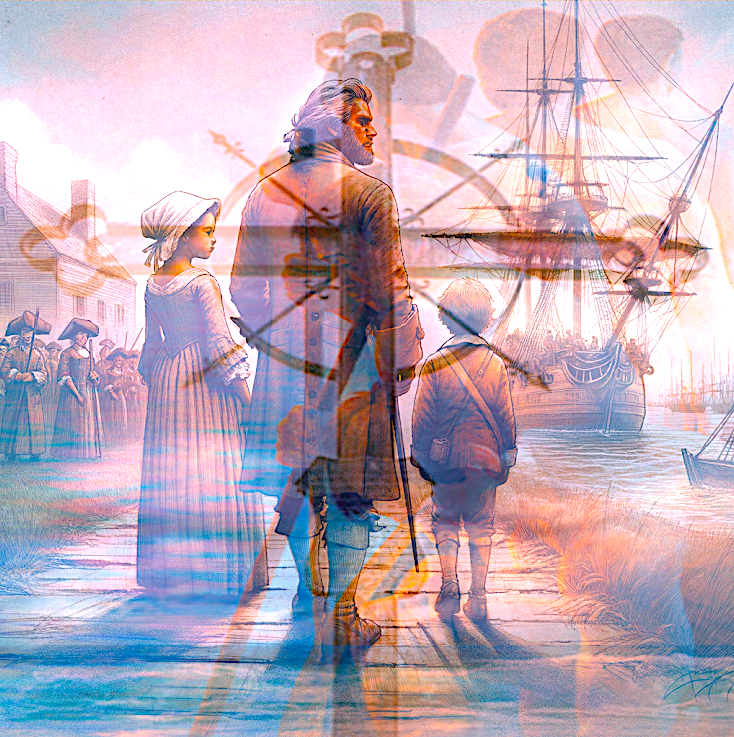
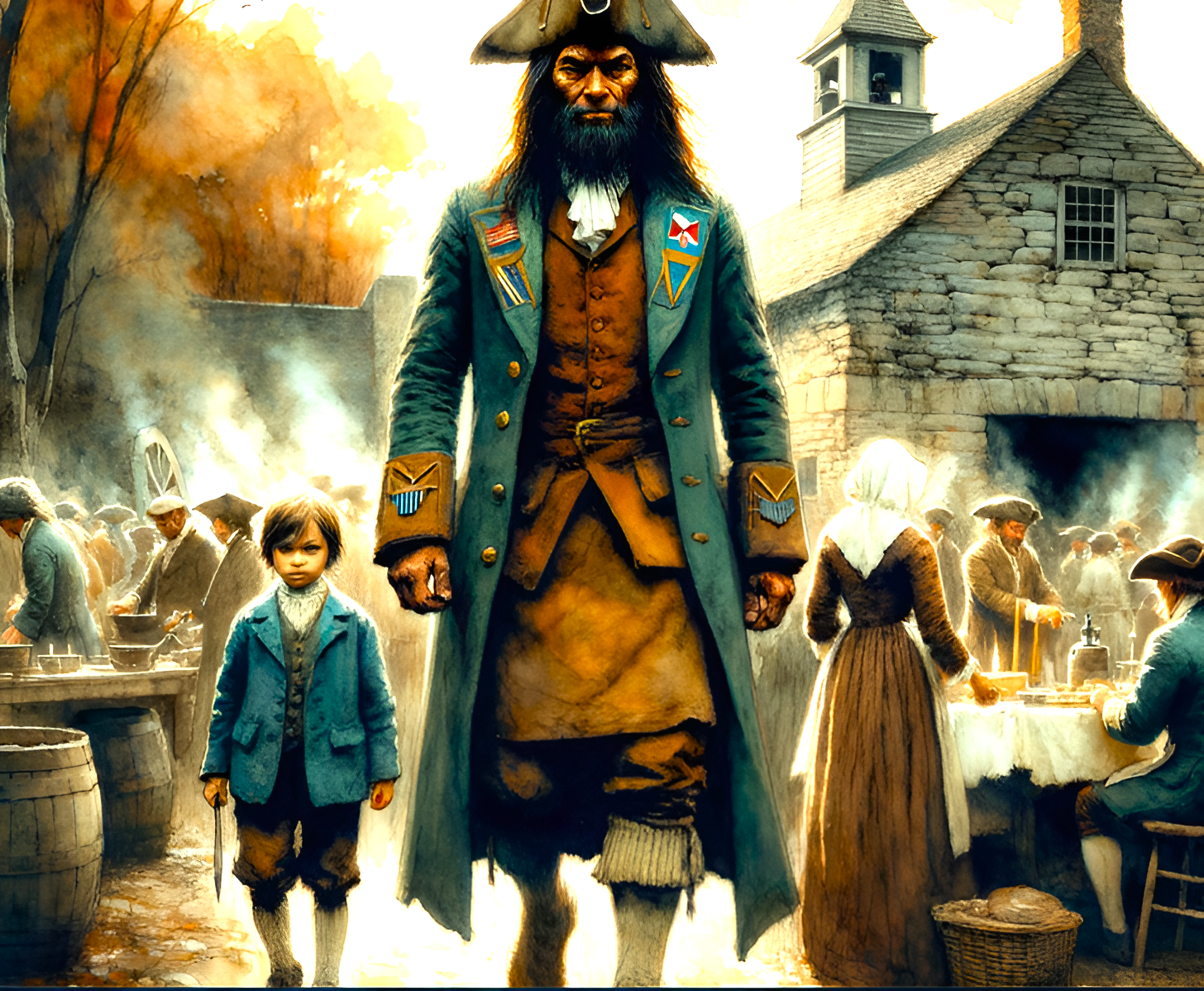
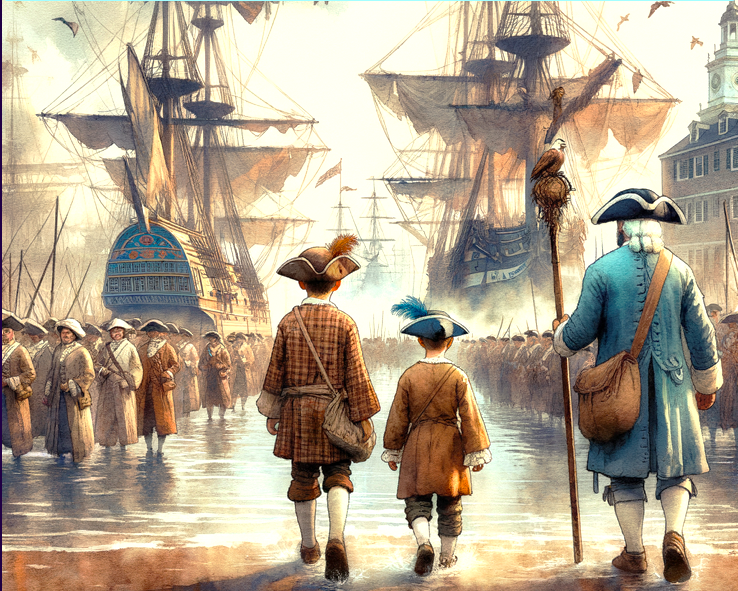
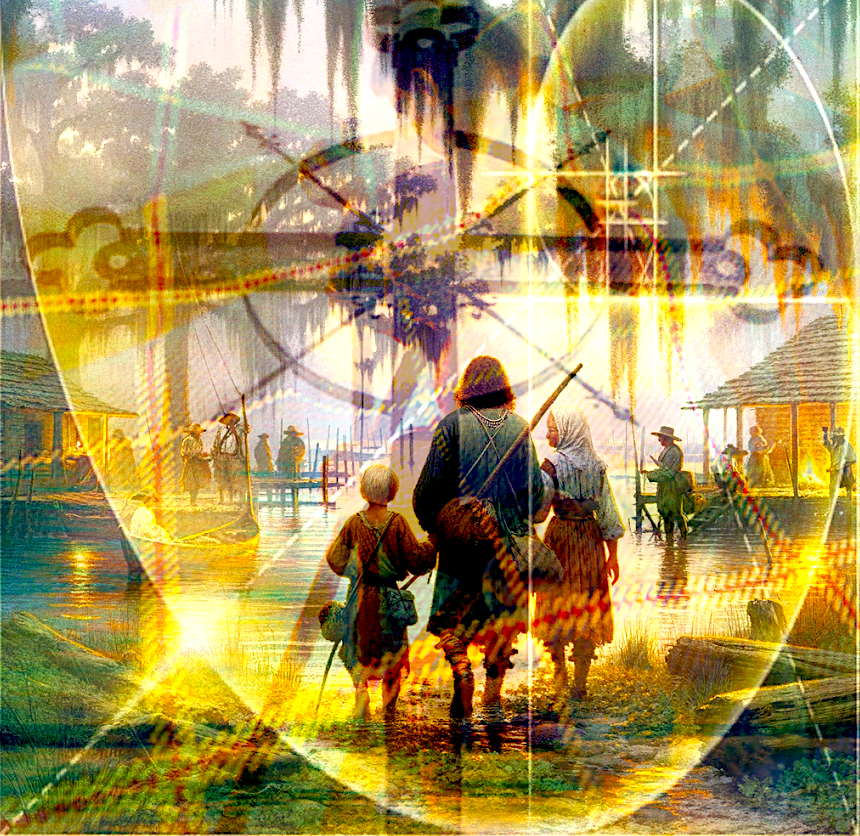
Theriault's groundbreaking work demonstrates remarkable progress in developing his skill sets with AI animation tools. The Hermes award-winning creator is leveraging open-source artificial intelligence platforms to animate the vivid imagery from his historical diaspora series, which chronicles the heart-wrenching journey of Eva Lynn Theriault and Gabby Dev Dugas—two courageous children caught in the maelstrom of Le Grand Dérangement. This technological transformation adds unprecedented depth to narratives that resonate powerfully with contemporary humanitarian concerns.
The visual dimension created through AI animation breathes new life into this parallel tale, making historical displacement tangible and immediate for modern audiences. By converting handcrafted illustrations into fluid motion graphics, Theriault bridges the 271-year gap between the past and thepresent, illuminating how refugee experiences transcend time and geography.
Why This Matters: Refugee Stories Then and Now
The "Cajun Dead et Le Walkin' Stick" trilogy explores the 1755-1764 Acadian Expulsion, when British authorities forcibly removed approximately 11,500 French-speaking Acadians from their homelands in Maritime Canada. Families were separated, communities scattered across the Atlantic world—from Louisiana, where they became Cajuns, to France and beyond. This historical trauma mirrors the UNESCO World Humanitarian Crisis we witness today, where millions face displacement, family separation, and the desperate search for belonging.
Theriault's symbolic walking stick—passed through generations in his narrative—represents cultural continuity, ancestral memory, and the resilience required for refugee survival. This archetypal object speaks directly to contemporary experiences of displacement, in which personal possessions become vessels of identity when everything else is lost.
 Claude Theriault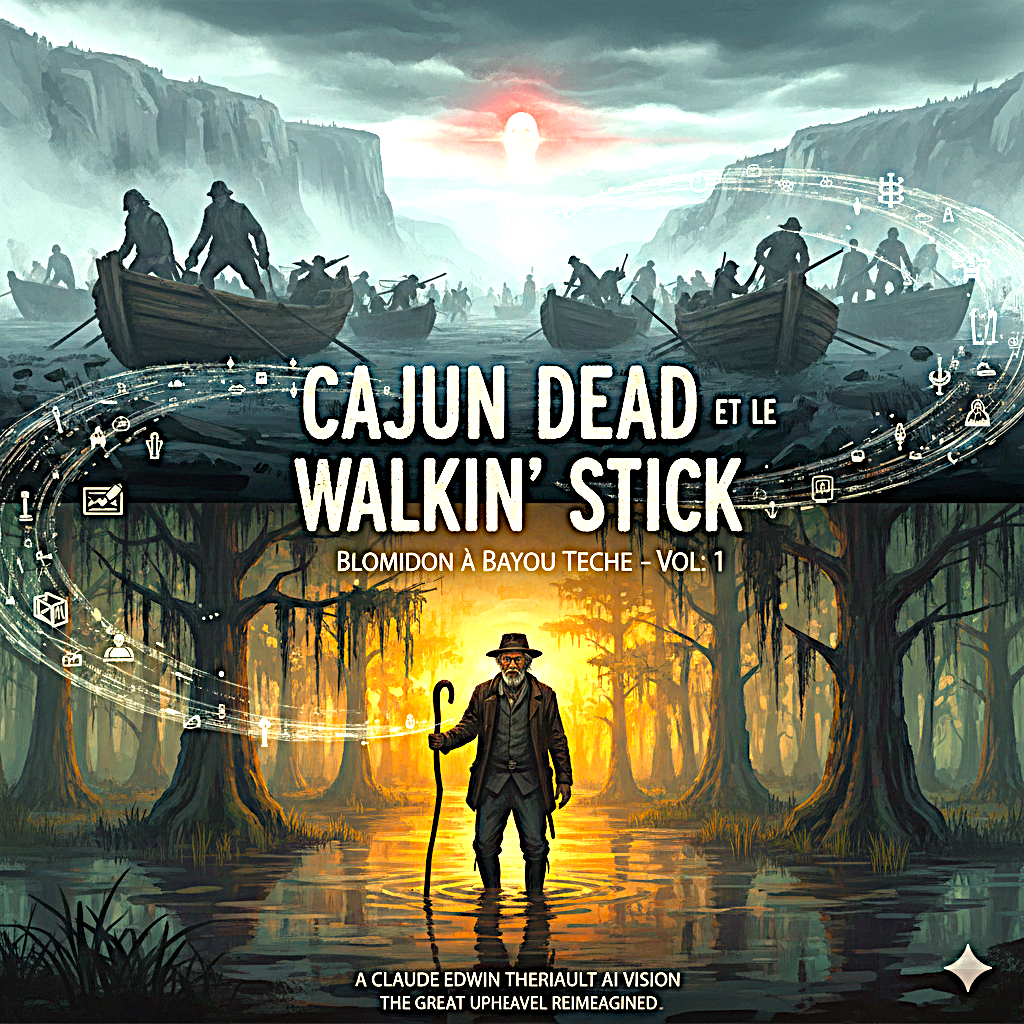
The Innovation: Open Art AI as Creative Collaborator
Unlike traditional animation, which requires extensive teams and resources, Theriault harnesses open-source AI platforms to translate his vision into moving images independently. This democratization of animation technology enables solo artists to compete with established studios while maintaining complete creative control. His approach exemplifies how contemporary creators can bypass gatekeepers who often prefer sanitized, tourism-friendly versions of cultural heritage over authentic representations of historical suffering and resilience.
The AI animation process allows Theriault to experiment with various styles—from traditional hand-drawn aesthetics to cutting-edge digital effects—creating visual storytelling that captures both historical authenticity and contemporary relevance. Each frame adds emotional weight to the narrative, transforming static illustrations into immersive experiences that engage younger, digitally-native audiences while preserving cultural memory.
Critical Heritage Industry Commentary
While Theriault innovates relentlessly, producing new content every few days across multiple platforms, mainstream Acadian heritage-patrimonial industry oligarchs remain trapped in conventional formulas. These entrenched institutions often present aseptisized versions of Acadian culture designed for tourist consumption rather than confronting the raw realities of displacement, poverty, and cultural erosion that define both historical and modern refugee experiences.
The artist's work challenges this status quo by addressing uncomfortable truths—economic hardship, cultural isolation, the psychological toll of displacement—that heritage boards typically ignore in favour of folkloric celebrations. His AI-powered animations amplify these critical social commentaries, making them accessible to global audiences who recognize similar struggles in their own cultural landscapes.
Multimedia Vision: From Books to Screen
Recognizing limitations in traditional publishing reach, Theriault has strategically developed video trailers and animations as part of a comprehensive multimedia pitch deck. These visual adaptations serve as powerful promotional tools for independent film studios seeking authentic refugee narratives with contemporary relevance. This pivot acknowledges our visual-centric media landscape, where traditional books alone struggle to capture broad attention spans.
The three-volume series spanning "Blomidon to Le Bayou Teche," "Bayou Teche to Saint Pierre et Miquelon," and "Liberty Bell to Pubnico 1767" provides rich source material. Each volume explores themes of resilience, friendship, hope in the face of adversity, and the universal human need for belonging—lessons equally relevant whether discussing eighteenth-century Acadian refugees or twenty-first-century displaced populations.
Educational and Cultural Impact
Ideal for young readers aged six to eight yet resonant for adults, Theriault's original illustrated books combine captivating storytelling with vibrant artwork. The AI animation extension transforms these materials into educational resources that inspire young minds to navigate change with grace and tenacity while understanding historical context for current humanitarian crises.
The project demonstrates that respect for cultural heritage need not conflict with artistic evolution. By skillfully merging traditional Acadian themes with cutting-edge technology, Theriault proves that cultural preservation can be forward-looking, relevant, and impactful in contemporary society.
Book Availability and Additional Resources
The "Cajun Dead et Le Walkin' Stick" trilogy is available through major retailers, including Amazon Canada. Each volume features bilingual text (English/French), making it accessible to diverse Canadian and international audiences. Theriault, recognized with the Hermès Platinum Prize for innovative video design, brings both artistic excellence and therapeutic insight to his work as a men's health and wellness therapist.
Explore his complete portfolio at moderncontemporaryartworktrends.com, where the "Cajun Dead et le Talkin' Stick" musical project—an Appalachian-inspired song catalogue—further extends this cultural revival across multiple artistic mediums.
Watch This Space: The Future of Cultural Storytelling
As Theriault continues refining his AI animation techniques, expect increasingly sophisticated visual narratives that honour the past while speaking urgently to present crises. This work represents more than entertainment—it's cultural preservation, social commentary, and humanitarian advocacy converged through innovative technology.
Join the movement supporting authentic refugee narratives that refuse sanitization, challenge institutional complacency, and demand recognition for displaced populations across centuries. Share this content to amplify voices often silenced by heritage industry gatekeepers prioritizing commerce over truth.
YouTube Reel Description - Cajun Dead AI Animation Progress
Contemporary Artist Transforms Historical Refugee Tale into Moving Pictures with Open Art AI
Contemporary artist Claude Edwin Theriault is revolutionizing storytelling by bringing his acclaimed "Cajun Dead et Le Walkin' Stick" book trilogy to life through innovative open art AI technology. While heritage-patrimonial industry oligarchs remain dormant in conventional approaches, Theriault pushes creative boundaries by transforming static illustrations into dynamic moving pictures that amplify profound parallels between the 1755 Acadian Expulsion and today's global refugee crisis.
Theriault's groundbreaking work demonstrates remarkable progress in developing animation skills with AI tools. The award-winning creator leverages open-source artificial intelligence platforms to animate vivid imagery from his historical diaspora series, which chronicles the heart-wrenching journey of Eva Lynn Theriault and Gabby Dev Dugas—two courageous children caught in Le Grand Dérangement. This technological transformation adds unprecedented depth to narratives resonating powerfully with contemporary humanitarian concerns.
The visual dimension created through AI animation breathes new life into this parallel tale, making historical displacement tangible for modern audiences. By converting handcrafted illustrations into fluid motion graphics, Theriault bridges the 271-year gap between the past and thepresent, illuminating how refugee experiences transcend time and geography.
The trilogy explores the 1755-1764 Acadian Expulsion, when British authorities forcibly removed approximately 11,500 French-speaking Acadians from Maritime Canada. Families were separated, communities scattered across the Atlantic—from Louisiana, where they became Cajuns, to France and beyond. This historical trauma mirrors the humanitarian crisis we witness today, where millions face displacement, family separation, and desperate searches for belonging.
Unlike traditional animation, which requires extensive teams and resources, Theriault harnesses open-source AI platforms to independently translate his vision into moving images. This democratization of animation technology enables solo artists to compete with established studios while maintaining complete creative control. His approach exemplifies how contemporary creators bypass gatekeepers who prefer sanitized, tourism-friendly versions of cultural heritage over authentic representations of historical suffering and resilience.
While Theriault innovates relentlessly, producing content across multiple platforms, mainstream Acadian heritage-patrimonial industry oligarchs remain trapped in conventional formulas. These entrenched institutions present aseptisized versions of Acadian culture for tourist consumption rather than confronting the raw realities of displacement, poverty, and cultural erosion defining both historical and modern refugee experiences.
Recognizing traditional publishing limitations, Theriault has strategically developed video trailers and animations as comprehensive multimedia pitch materials. These visual adaptations serve as powerful promotional tools for independent film studios seeking authentic refugee narratives with contemporary relevance.
The "Cajun Dead et Le Walkin' Stick" trilogy is available through Amazon Canada. Each volume features bilingual text (English/French), making it accessible to diverse audiences. Theriault, recognized with the Hermès Platinum Prize for innovative video design, brings artistic excellence and therapeutic insight to a topic mainstream media does not shine light on.
Frequently Asked Questions (FAQs)
Q1: Who is Claude Edwin Theriault, and what makes his work innovative? Claude Edwin Theriault is a contemporary artist and Hermès Platinum Prize winner who is pioneering the use of open-source AI to animate his illustrated book trilogy, "Cajun Dead et Le Walkin' Stick." His innovation lies in democratizing animation by using accessible AI tools to independently create moving pictures from static illustrations, bypassing traditional studio requirements while maintaining complete creative control over authentic refugee narratives.
Q2: What is the "Cajun Dead et Le Walkin' Stick" trilogy about? The trilogy chronicles the 1755-1764 Acadian Expulsion (Le Grand Dérangement) through the eyes of two children, Eva Lynn Theriault and Gabby Dev Dugas. It explores how approximately eleven thousand five hundred French-speaking Acadians were forcibly removed from Maritime Canada by British authorities, with families scattered from Louisiana (where they became Cajuns) to France and beyond. The story parallels contemporary refugee crises, emphasizing themes of resilience, cultural preservation, and belonging.
Q3: How does AI animation add depth to the refugee narrative? AI animation transforms static book illustrations into dynamic moving pictures, making historical displacement feel immediate and tangible for modern audiences. The visual storytelling bridges the 271-year gap between the Acadian Expulsion and today's humanitarian crises, helping viewers emotionally connect with how refugee experiences transcend time and geography, while engaging digitally native audiences more effectively than text alone.
Q4: Why does the description criticize heritage-patrimonial industry oligarchs? Theriault's work challenges mainstream Acadian heritage institutions that present sanitized, tourism-friendly versions of cultural history while avoiding uncomfortable truths about displacement, poverty, and cultural erosion. While these entrenched organizations remain static in conventional approaches, Theriault innovates by addressing authentic refugee experiences and creating content that speaks to contemporary humanitarian concerns rather than commercial interests.
Q5: Where can I access the books, and is the content accessible for people with disabilities? The "Cajun Dead et Le Walkin' Stick" trilogy is available through Amazon Canada in bilingual format (English/French). The video content includes audio descriptions for visually impaired viewers, closed captions for deaf and hard-of-hearing audiences, and high-contrast visual elements meeting AODA and WCAG 2.1 Level AA accessibility standards, ensuring inclusive access for diverse audiences.
Citations & Resources
[1] Amazon Canada - Cajun Dead et Le Walkin' Stick Book Trilogy https://www.amazon.ca/Cajun-Dead-Walkin%60Stick-Blomidon-Bayou/dp/B0D1C6J68K
[2] Artist Portfolio - Modern Contemporary Artwork Trends https://moderncontemporaryartworktrends.com
[3] UNESCO - Acadian Deportation Historical Context https://www.unesco.org (Search: Acadian Expulsion 1755)
[4] AODA Accessibility Standards - Ontario Government https://www.ontario.ca/page/accessibility-laws
[5] WCAG 2.1 Web Accessibility Guidelines https://www.w3.org/WAI/WCAG21/quickref/
[6] Current Refugee Crisis Statistics - UNHCR https://www.unhcr.org/refugee-statistics/