Borrowing From the Past: The Protest Song That Sounds Uncomfortably Like Now
Borrowing from the past isn’t nostalgia it’s a warning. Cajun Dead protest song linking history, power cycles, and today’s social Wetiko unrest.

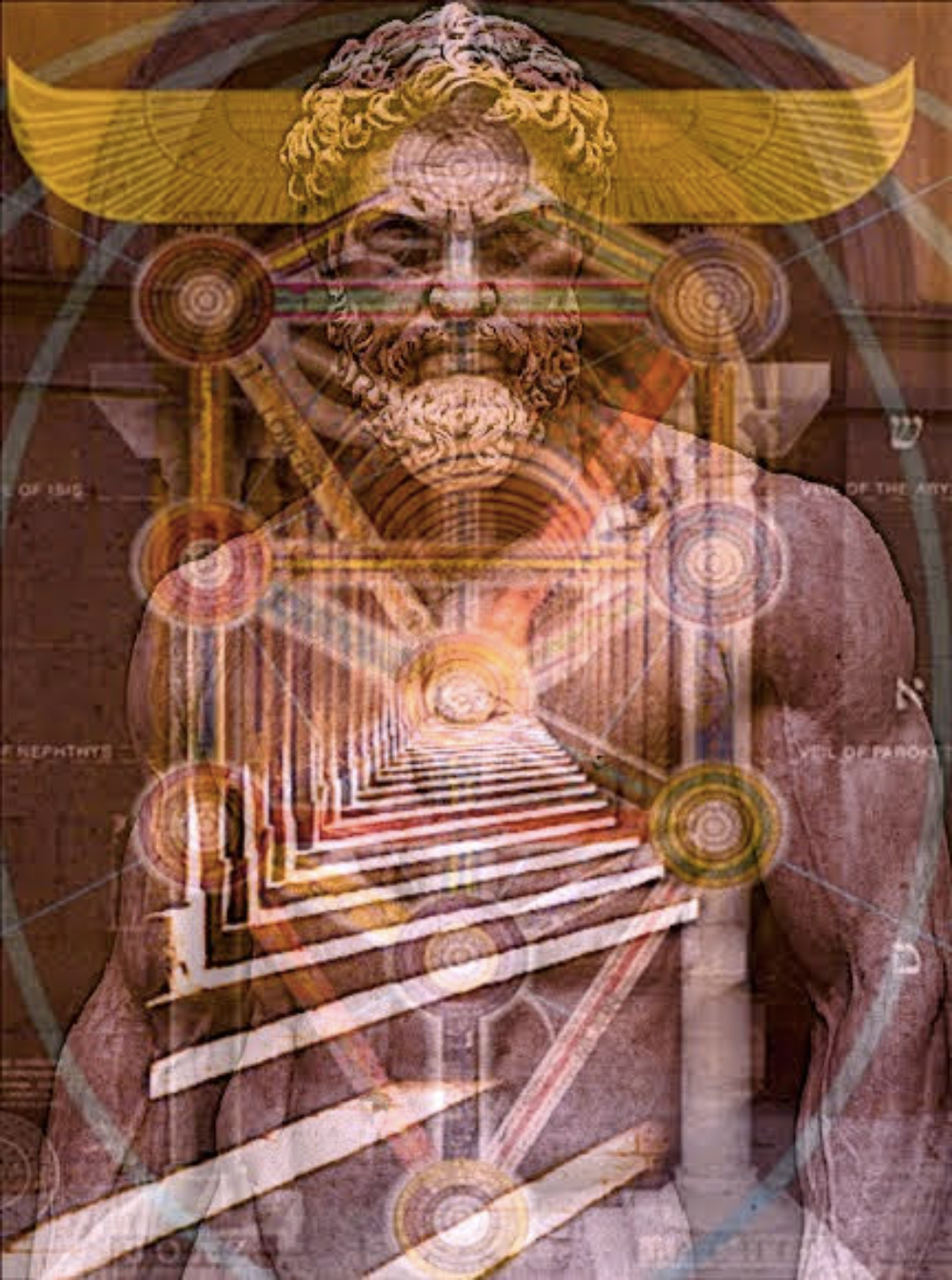
Cajun Dead et le Talkin’ Stick and the Return of Cultural Resistance
History doesn’t repeat itself—it remixes. Sometimes louder. Sometimes uglier. And sometimes with better instruments.
Borrowing from the Past to Pay for the Fall, the latest song lyric project from Cajun Dead et le Talkin’ Stick, arrives at a moment when social unrest is no longer episodic but structural. From economic pressure to cultural fragmentation, from media saturation to generational fatigue, the cracks are no longer hidden. They’re headline material.
What makes this project compelling isn’t just its message—it’s how the message is delivered. Through lyric-forward storytelling, Cajun-inflected cadence, and a visual language that resists spectacle, the project places itself squarely in the lineage of protest music while remaining unmistakably contemporary.
This is not nostalgia. It’s continuity; sign a the times style
Borrowing From the Past: When History Becomes a Warning System
The opening line—“Borrowing from the past to pay for the Fall”—isn’t poetic filler. It’s diagnosis.
Across centuries, power structures have relied on the same mechanisms: inherited authority, mythologized leadership, cyclical sacrifice, and managed consent. The song’s references to Louis and Jacques de Molay, the once and future King, and the end of the Saeculum cycle point to a recurring pattern—civilizations exhausting themselves by recycling yesterday’s solutions for tomorrow’s crises.
This isn’t academic history. It’s lived experience.
The lyrics suggest that modern society is running on deferred consequences. Debt—economic, moral, cultural—is rolled forward until collapse becomes inevitable. The mention of Wetiko, a concept describing cannibalistic consumption of life and resources, sharpens the critique. This is a system that feeds on itself and calls it progress.
By invoking these symbols, Cajun Dead et le Talkin’ Stick transforms history into a mirror rather than a museum. The past isn’t dead weight here—it’s an alarm bell.
📎 Citation 1: Watch the official lyric video
👉 https://www.youtube.com/
Social Unrest, Media Churn, and the Personal Cost of Power Cycles
One of the most striking elements of the song is how quickly it pivots from macro-history to lived reality.
Lines like “fresh blood spilling forth out onto the news wire” and “seeing what is up with the latest greatest gun for hire” capture the relentless churn of modern media—where violence is content, outrage is currency, and attention resets every 24 hours.
Then comes the gut punch:
“I say I say ma Daddi he be done in jail right now… for bein’ crossin’ the wrong street corner at the wrong time a day.”
This is where the song stops being theoretical.
The incarceration, surveillance, and criminalization of everyday life aren’t abstract policies—they’re family stories. The lyrics expose how systems of control disproportionately punish presence, timing, and geography rather than intent. It’s protest music that doesn’t shout slogans; it tells the truth sideways, the way folk music always has.
The repeated refrain—“that’s what shim know, that’s what shim say”—underscores how normalized injustice becomes when repetition replaces accountability.
📎 Citation 2: Listen to the full audio track
👉 https://bandcamp.com/
The Peace Movement Never Left—It Just Changed Form
Despite its sharp critique, Borrowing from the Past to Pay for the Fall is not a song of despair.
Threaded throughout the lyrics is a quieter, more resilient force: the enduring peace movement. Not the sanitized version taught in textbooks, but the cultural one—kept alive through music, art, storytelling, and refusal.
The peace movement didn’t vanish. It decentralized.
Contemporary artists like Theriault are part of this evolution. Rather than waiting for institutional validation, they work through independent platforms, lyric projects, and visual symbolism to keep resistance cultural rather than cosmetic. This project exemplifies that approach: no grandstanding, no didactic framing—just clarity, rhythm, and memory.
The line “reboot the stay home and make do” reflects a post-crisis reality where people are asked to absorb systemic failure quietly. Yet the following “reward with a bit of the weekend hoochie coo” exposes the transactional nature of compliance—temporary relief in exchange for silence.
Peace, in this context, isn’t passive. It’s practiced.
📎 Citation 3: Explore the artist’s broader body of work
👉 https://mbf-lifestyle.io/
A Living Lyric Project for a Living Moment
What sets this project apart is its refusal to be background noise.
The audio and video files operate together as a single narrative object. The visuals are restrained, allowing the lyrics to remain central. This design choice aligns with the project’s philosophy: meaning over momentum, substance over spectacle.
The repeated invocation of the once and future King serves as a reminder that authority often disguises itself as destiny. The song challenges listeners to recognize that opting out—culturally, mentally, creatively—is itself a political act.
In an era dominated by disposable content, Borrowing from the Past to Pay for the Fall asks for attention, not virality. It rewards listeners who sit with the words, trace the references, and allow the discomfort to do its work.
This is protest music for people who know history didn’t end—and neither did resistance.
📎 Citation 4: Read more about the Saeculum cycle concept
👉 https://en.wikipedia.org/wiki/Saeculum
📎 Citation 5: Learn about the concept of Wetiko
👉 https://en.wikipedia.org/wiki/Wetiko
📎 Citation 6: Discover the roots of Cajun folk protest traditions
👉 https://www.loc.gov/
Frequently Asked Questions (FAQs)
What is Borrowing from the Past to Pay for the Fall about?
The song explores recurring power cycles, social unrest, and how historical patterns continue to shape modern life, blending personal narrative with cultural critique.
Who are Cajun Dead et le Talkin’ Stick?
They are a contemporary lyric-driven music project blending Cajun folk, spoken word, and protest storytelling rooted in historical awareness and modern realities.
How does this song relate to the peace movement?
It continues the tradition of cultural resistance—using music and art to question authority, expose injustice, and promote awareness without institutional mediation.
What does “Wetiko” mean in the song?
Wetiko represents a mindset of destructive consumption—systems that feed on people, resources, and culture until collapse becomes inevitable.
Where can I watch or listen to this project?
The official lyric video and audio release are available on independent platforms and the project’s primary channels linked above.